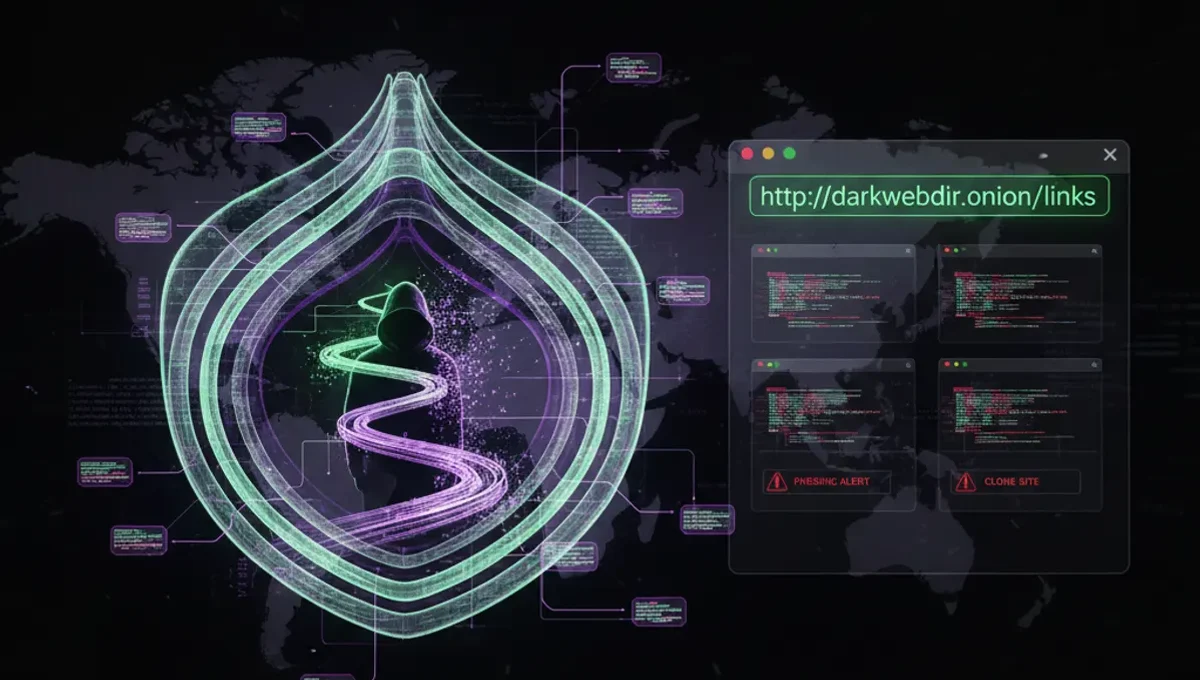
What Is a Dark Web Combo List
Combo lists serve as consolidated directories containing multiple dark web links organized by category. They typically include marketplace URLs, forum addresses, communication platforms, and service directories in one document. Users share these lists across Tor forums and encrypted channels to maintain updated reference materials. The term originated from the practice of combining separate link collections into unified formats. Combo lists vary in accuracy and currency since maintaining active links requires constant verification. Some lists include descriptions, access requirements, or reputation ratings for each entry. These resources function similarly to traditional web directories but operate within Tor's anonymity framework. Most combo lists are community-maintained and updated irregularly based on contributor availability.
Dark Web Link List Organization
Effective dark web link lists organize entries by functional category rather than alphabetical order. Common groupings include communication platforms, information repositories, marketplace directories, and technical resources. Each link typically includes the onion address, brief description, and operational status notes. Link lists distinguish between active, intermittently available, and defunct addresses to help users avoid wasted connection attempts. Some lists include mirror addresses or backup URLs when primary sites experience downtime. Organization methods vary from simple text documents to formatted spreadsheets with color-coding for status indicators. Users often maintain personal versions of link lists by copying and modifying public versions. The most useful lists include timestamps indicating when entries were last verified, though this information is rarely standardized across different sources.
Accessing Dark Web Website Lists Safely
Accessing dark web website lists requires basic security precautions before clicking any links. Use a dedicated virtual machine or isolated device when browsing Tor to contain potential malware exposure. Verify links through multiple sources before accessing unfamiliar addresses, as phishing sites frequently mimic legitimate darknet services. Enable JavaScript protections in your Tor Browser settings to prevent fingerprinting attacks. Never maximize your browser window, as this reveals screen resolution data that can compromise anonymity. Download lists from established Tor forums rather than clearnet sources, which may contain modified or malicious links. Disable plugins and extensions that could leak identifying information. Keep your Tor Browser updated to the latest version to patch known vulnerabilities. Consider using additional layers like VPNs before Tor, though this approach involves tradeoffs between anonymity and connection speed.
Dark Web List of Sites by Category
Categorized dark web lists organize resources by function to improve navigation efficiency. Information repositories include wikis, libraries, and documentation sites containing technical guides and historical archives. Communication platforms encompass forums, chat services, and messaging applications where users exchange information. Marketplace directories list commerce sites, though many operate temporarily before relocating or shutting down. Service directories catalog technical offerings including hosting, development, and security services. News and media sections feature independent journalism outlets and alternative news aggregators. Financial services categories include cryptocurrency exchanges and payment processors. Educational resources provide programming tutorials, language instruction, and skill-building materials. Each category contains varying numbers of active sites depending on demand and regulatory pressure. Users should verify current operational status before attempting access since many listed sites become unavailable within months.
Identifying Scams in Dark Web Combo Lists
Scam detection requires examining multiple indicators before trusting any dark web link list entry. Phishing sites mimic legitimate services by using similar names with slight character variations or homograph attacks. Check for HTTPS certificates and PGP signatures when available, though these don't guarantee legitimacy. Research site reputation across multiple Tor forums before accessing unfamiliar addresses. Avoid links requesting immediate payments or offering unrealistic returns on investments. Legitimate sites typically maintain consistent uptime and regular communication with user communities. Scam sites often feature poor grammar, unprofessional design, or requests for personal information. Cross-reference links against multiple independent combo lists to identify discrepancies. Be suspicious of newly added entries without community verification or established reputation. Report suspected fraudulent links to forum moderators to help maintain list accuracy for other users.
Maintaining Updated Dark Web Link Lists
Keeping combo lists current requires regular verification and community contribution. Active maintainers periodically test links to confirm operational status and update timestamps. Dead links should be removed or marked as inactive to prevent wasted access attempts. Community members report new resources and corrections through forum threads or encrypted channels. Version control helps track changes and allows users to identify which entries were recently modified. Some lists include change logs documenting additions, removals, and status updates. Backup copies ensure information preservation when primary sources become unavailable. Decentralized maintenance approaches distribute verification responsibilities across multiple contributors. Automated checking tools can test link accessibility, though manual verification remains necessary for content accuracy. Users should download fresh copies periodically rather than relying on cached versions that may contain outdated information.
Dark Web Access Through Combo List Resources
Combo lists facilitate initial dark web access by providing verified entry points and orientation information. New users often reference these lists to locate Tor Browser download sources and installation guides. Lists typically include mirror sites for Tor Project resources when primary domains face censorship or blocking. Community-maintained lists provide context about which sites serve specific purposes and what to expect from different resource categories. Beginner-focused lists often include explanations of Tor network basics and anonymity principles. Access guides within combo lists address common connection issues and troubleshooting steps. Some lists provide information about bridge networks for users in regions with Tor blocking. Lists distinguish between Tor Browser requirements and optional security enhancements like VPN usage. Experienced users reference lists to discover new resources and verify that previously known sites remain operational.
Frequently asked questions
Are dark web combo lists legal to use?
Accessing combo lists and browsing listed sites is legal in most jurisdictions. However, legality depends on what you do with the information. Visiting sites or engaging in illegal activities violates laws regardless of the list source. Maintaining or distributing lists for informational purposes generally falls within legal bounds, though this varies by location and specific content included.
How often should I update my dark web combo list?
Update combo lists monthly or before each browsing session to ensure link accuracy. Many darknet sites change addresses or go offline frequently due to law enforcement action or operational decisions. Outdated lists contain broken links that waste connection time and may redirect to phishing sites. Community-maintained lists typically receive updates more frequently than individually maintained versions.
Can combo lists contain malware or phishing links?
Yes, combo lists can include malicious links intentionally or through outdated information. Phishing sites frequently replace legitimate services by acquiring similar addresses. Malware-hosting sites sometimes appear in lists before community members identify and report them. Always verify links through multiple sources and maintain security precautions before clicking any unfamiliar addresses.
What's the difference between a combo list and a regular directory?
Combo lists consolidate multiple resource categories into single documents, while directories typically organize information by specific function or category. Combo lists prioritize comprehensiveness and convenience, whereas directories emphasize organization and detailed descriptions. Combo lists update irregularly based on community contributions, while directories often maintain more consistent maintenance schedules.
Where do I find reliable dark web combo lists?
Established Tor forums and community discussion boards maintain the most reliable combo lists. Look for lists with active community verification and regular update timestamps. Avoid downloading lists from clearnet sources, which may contain modified or malicious links. Cross-reference multiple sources to identify consistent entries and verify current operational status before accessing any sites.