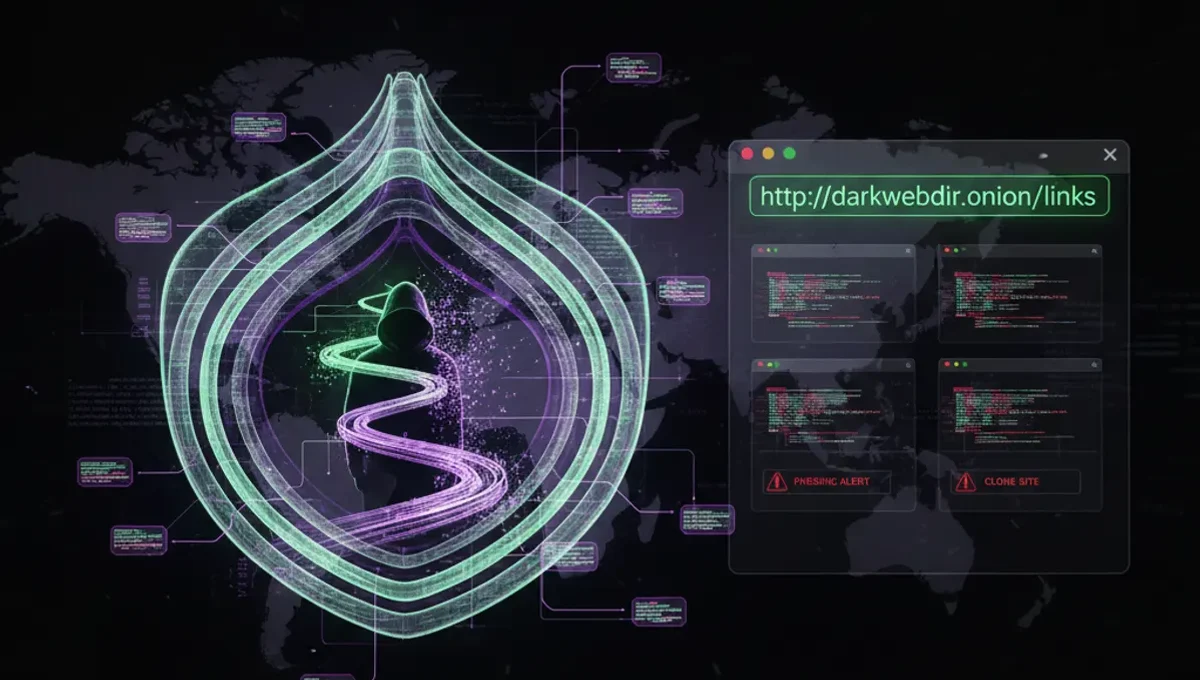
What Is a Dark Web Website List
A dark web website list is a curated collection of .onion addresses organized by category. These lists typically include marketplaces, forums, news sites, and communication platforms. Unlike surface web directories, dark web lists are often maintained by community members and shared across forums and wikis. The most well-known example is The Hidden Wiki, which functions as a directory of onion links. Lists vary in accuracy and safety—some are actively maintained, while others contain dead links or scam sites. Understanding the structure of these lists helps you navigate the dark web more effectively and identify which sources are reliable.
Types of Dark Web Combo Lists
A dark web combo list typically combines multiple categories of sites into a single reference document. These might include marketplace links, forum URLs, privacy-focused email services, and cryptocurrency exchanges. Combo lists are popular because they save time compared to hunting for individual links. However, they carry higher risk—scammers often distribute fake combo lists with malicious .onion addresses designed to steal credentials or distribute malware. The most trustworthy combo lists come from established communities with moderation and verification processes. Always cross-reference links with multiple sources before visiting, and be skeptical of lists that promise 'exclusive' or 'updated' access to illegal marketplaces.
How Dark Web Link Lists Are Organized
Dark web link lists organize sites by function rather than alphabetically. Common categories include communication (email, messaging), marketplaces (goods and services), forums (discussion communities), and information (news, wikis). Each entry typically includes the .onion address, a brief description, and sometimes status indicators showing whether the link is active. The Hidden Wiki uses a wiki format where community members can add or update entries. Other lists exist as plain text files or spreadsheets shared on forums. Organization matters for usability—poorly maintained lists contain numerous dead links and outdated information. The best lists include timestamps showing when links were last verified, helping you avoid wasting time on defunct sites.
Dark Web Access and Link Verification
Accessing dark web websites requires the Tor browser, which routes your connection through multiple servers to provide anonymity. Once installed, you can enter .onion addresses directly into the browser. However, not every link on a dark web list will work—sites go offline, move to new addresses, or are taken down by law enforcement. Before clicking unfamiliar links, verify them through multiple sources. Check if the site appears in recent forum discussions or on multiple maintained lists. Look for community feedback about whether the site is legitimate or a known scam. Never enable plugins or extensions while using Tor, and consider using a VPN before connecting to Tor for additional privacy. Always assume links could be honeypots or malware distribution points.
Identifying Scams in Dark Web Site Lists
Scam sites are rampant on the dark web, and malicious links often appear in poorly maintained lists. Red flags include sites requesting upfront payments for 'exclusive' access, promises of illegal goods with no verification system, and addresses that are recently created. Legitimate dark web marketplaces typically have reputation systems, escrow services, and community reviews. Phishing sites mimic popular platforms by using similar addresses—verify the exact .onion URL carefully. If a link promises unrealistic returns or access to restricted content without explanation, it's likely a scam. Communities like Reddit's r/darknet and established forums maintain lists of known scams and compromised addresses. Never trust a single source for verification; cross-check any suspicious link against multiple communities before engaging.
Maintaining Your Own Dark Web Link Collection
Many users maintain personal lists of verified dark web sites rather than relying on public directories. This approach reduces exposure to malicious links and helps you track which sites are currently active. Keep your list organized by category and include notes about each site's purpose and last-verified date. Update entries regularly—test links periodically to confirm they still work. Store your list securely, encrypted if possible, and never share it publicly without vetting the links first. Personal lists are particularly useful for forums and communication platforms you use regularly. However, recognize that maintaining accuracy requires ongoing effort. Dead links accumulate quickly on the dark web as sites migrate, get seized, or shut down voluntarily.
Legal and Safety Considerations
Accessing dark web websites is legal in most jurisdictions, but many sites host illegal content or services. Simply visiting a site isn't illegal, but engaging in transactions involving contraband is. Law enforcement agencies actively monitor dark web marketplaces and forums, sometimes posing as vendors or users. Many 'dark web lists' are honeypots designed to identify users interested in illegal activity. Using the dark web for legitimate purposes—privacy research, accessing censored information, secure communication—carries minimal legal risk if you don't participate in illegal transactions. However, the dark web attracts criminals, and even innocent browsing exposes you to disturbing content and potential malware. Approach dark web exploration with caution, use updated security software, and understand that anonymity is not guaranteed.
Frequently asked questions
Where can I find a reliable dark web website list?
The Hidden Wiki is the most established directory, accessible via Tor. Other sources include established forums like Dread and verified community lists on Reddit's r/darknet. Always cross-reference links across multiple sources before visiting. Avoid lists distributed through email or messaging apps, as these are often scams.
Are dark web combo lists safe to use?
Combo lists carry higher risk than single-category directories because scammers frequently distribute fake versions with malicious links. Use only combo lists from established communities with active moderation. Verify each link independently before clicking, and never enter credentials on unfamiliar sites.
How often do dark web links go offline?
Dark web sites change addresses frequently or disappear entirely. Marketplaces migrate to avoid law enforcement, forums shut down voluntarily, and some sites are seized. Links in lists can become outdated within weeks. Always check if a link is current before relying on it for important information or transactions.
Can I get in legal trouble for accessing a dark web website list?
Accessing lists and browsing sites is legal in most countries. Legal issues arise only when you engage in illegal transactions or access illegal content. However, law enforcement monitors dark web activity, and some lists are honeypots. Stick to legitimate uses like privacy research or accessing censored information to minimize risk.
What should I do if a dark web link seems suspicious?
Don't click it. Instead, search for the site name in forums or on Reddit to see if others have reported it as a scam. Check if the .onion address matches what you expect—phishing sites use similar names. If you're unsure, skip the link entirely and find an alternative source for the information or service you need.