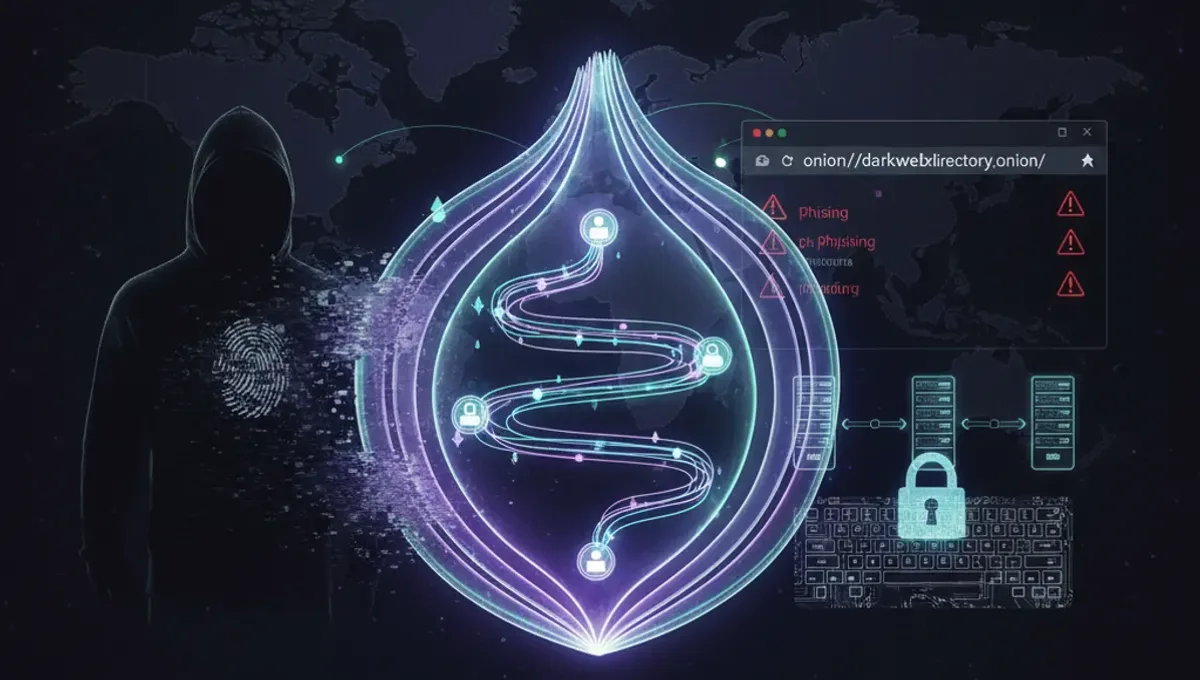
What Makes a Dark Web Site Worth Visiting
Quality dark web sites share common traits: they maintain consistent uptime, use proper HTTPS encryption, and have established reputations within communities. The best dark webs prioritize user security through multi-signature wallets, PGP verification systems, and transparent moderation policies. Sites that lack these features often disappear within weeks, taking user funds with them. Longevity matters because scammers typically operate short-term operations before abandoning their infrastructure. Legitimate dark web directories maintain updated lists and remove dead links regularly, which separates them from abandoned repositories filled with broken dark web addresses.
Dark Web Search Engines and Navigation Tools
Finding content on the dark web requires specialized search engines since Google doesn't index onion sites. The most reliable dark web search engines crawl Tor sites and return results with working dark web addresses. These tools use different indexing methods than surface web search engines, often relying on user submissions and automated crawlers. Search engines on the dark web typically display fewer results than mainstream alternatives, but results tend to be more relevant to what users actually seek. Many include filtering options to exclude illegal content, though enforcement varies. Understanding how these search engines work helps you locate legitimate dark web directory resources without stumbling into compromised sites.
Dark Web Access: Methods and Requirements
Accessing the best dark webs requires the Tor Browser, a modified Firefox version that routes traffic through multiple encrypted relays. Installation is straightforward: download from the official Tor Project website, verify the signature, and launch the browser. Once installed, you can visit any onion site by entering its dark web address in the URL bar. Some users add additional security layers through VPNs, though this creates trade-offs between anonymity and speed. The Tor Browser handles most technical requirements automatically, making dark web access accessible to non-technical users. However, accessing the dark web alone doesn't guarantee safety; you still need to evaluate each site individually before entering credentials or downloading files.
Identifying Scams and Fake Dark Web Directories
Scammers create convincing fake dark web directories and phishing sites that mimic legitimate services. Common red flags include requests for payment before accessing content, pressure to act quickly, and promises of guaranteed returns on investments. Legitimate dark web sites rarely ask for upfront fees for basic access. Verify dark web addresses through multiple sources before visiting, as typosquatting attacks are common. Check community forums and discussion boards where users report site status and legitimacy. Never download files from unverified sources, as malware distribution is rampant on the dark web. Cross-reference any dark web address you find against established community resources before entering sensitive information.
Categories of Legitimate Dark Web Resources
The best dark webs include forums for privacy discussions, libraries of censored information, whistleblowing platforms, and communication tools for activists. News organizations maintain dark web mirrors to serve readers in censored regions. Academic researchers use the dark web to study security and privacy. Cryptocurrency enthusiasts access exchanges and discussion communities. Each category serves different purposes, and understanding what you're looking for helps you navigate more safely. Legitimate dark web sites in each category typically have established reputations, active moderation, and clear terms of service. Avoid sites that seem hastily constructed or lack any community presence, as these are often scams designed to harvest credentials or distribute malware.
Dark Web Download Safety Practices
Downloading files from the dark web carries elevated risks compared to surface web downloads. Always verify file hashes against multiple sources before opening anything. Use isolated virtual machines for testing unfamiliar downloads, keeping your main system protected. Malware authors deliberately distribute infected files on the dark web, targeting users who assume anonymity provides safety. Legitimate dark web sites often provide PGP signatures or hash verification for downloads, which you should always check. Never enable macros in documents or run executable files without understanding what they do. Keep your Tor Browser and operating system fully updated, as outdated software contains known vulnerabilities that malware exploits. Consider using dedicated hardware or virtual machines exclusively for dark web activities.
Building a Verified Dark Web Address Collection
Rather than trusting a single dark web directory, experienced users maintain personal collections of verified dark web addresses from multiple trusted sources. Start with established community resources that have been operating for years and maintain active moderation. Cross-reference new dark web addresses against several sources before adding them to your collection. Document when you verified each address and note any changes in site functionality or ownership. Remove addresses that become unresponsive or show signs of compromise. This approach requires more effort than relying on a single directory, but provides better protection against scams and malware distribution. Many users share verified dark web address lists in encrypted formats within trusted communities.
Frequently asked questions
How do I find the best dark webs safely?
Use established community resources and cross-reference dark web addresses across multiple sources before visiting. Verify site reputations through forums and discussion boards where users report legitimacy. Never visit dark web addresses from single sources, and always check for HTTPS encryption and proper security indicators before entering any information.
What's the difference between the dark web and deep web?
The deep web includes any internet content not indexed by search engines, like email accounts and paywalled databases. The dark web is a small portion of the deep web that has been intentionally hidden and requires specific software like Tor Browser to access. Most deep web content is mundane and legal, while the dark web attracts both legitimate privacy advocates and illegal activity.
Is accessing the dark web illegal?
Accessing the dark web itself is legal in most countries. However, many activities conducted on the dark web are illegal, including buying stolen data or weapons. Using Tor Browser and visiting onion sites doesn't violate laws, but engaging in illegal transactions does. Your location determines specific legal implications, so research your jurisdiction's laws.
How do I verify a dark web address is legitimate?
Check the address against multiple trusted sources and community forums. Legitimate sites maintain consistent uptime and active moderation. Look for HTTPS encryption, PGP verification options, and clear terms of service. Avoid sites requesting payment before basic access, making unrealistic promises, or showing signs of recent creation without established reputation.
What should I download from the dark web?
Stick to files from established, verified sources with good community reputations. Always verify file hashes and PGP signatures before opening anything. Use isolated virtual machines for testing unfamiliar downloads. Avoid executable files unless absolutely necessary and from trusted sources. Documents, archives, and media files carry lower risk than programs.