What Is the Dark Web Online
The dark web online refers to encrypted networks accessible only through specialized software, most commonly Tor. Unlike the indexed surface web, dark web addresses exist on overlay networks where both users and site operators maintain anonymity. These sites use .onion domain extensions instead of standard URLs. The dark web online hosts legitimate content including privacy-focused communication platforms, journalism resources, and political discussion forums, alongside illegal marketplaces. Understanding this distinction matters before attempting dark web access. The technology itself is neutral; how people use it determines legality and safety.
How to Access Dark Web Addresses
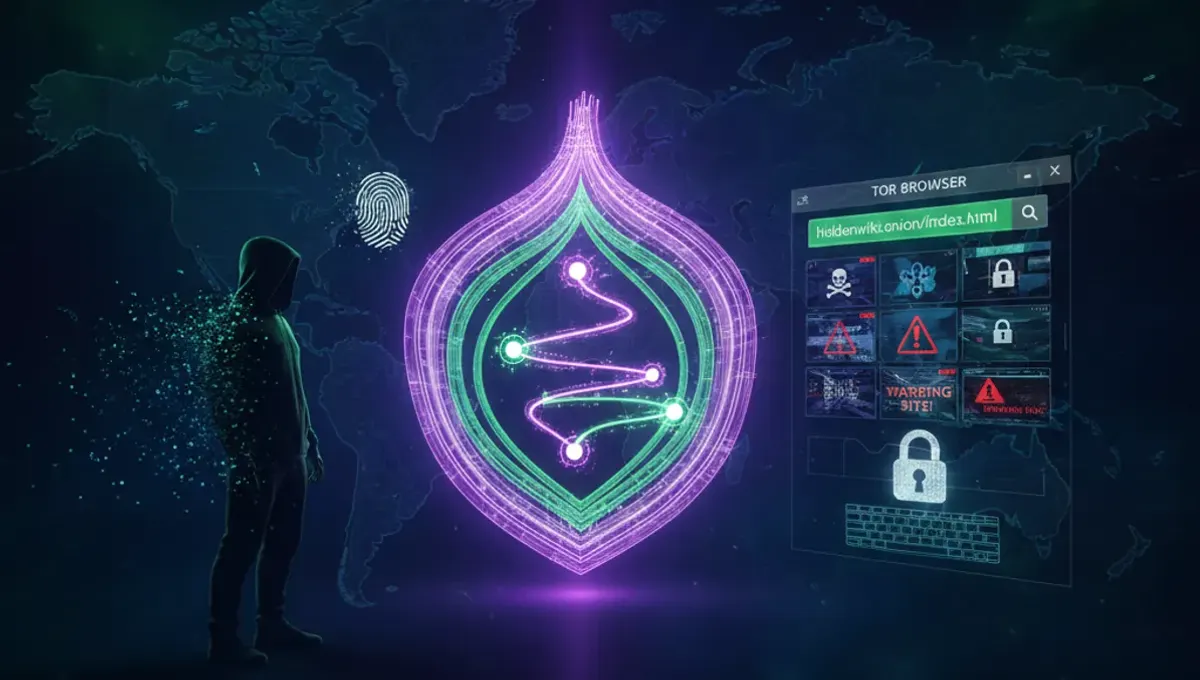
Accessing dark web online requires downloading the Tor Browser, which routes your connection through multiple encrypted relays. After installation, the browser functions like any standard web browser but connects to .onion sites exclusively. Before attempting dark web access, disable plugins and extensions that might compromise anonymity. Use a dedicated device or virtual machine when possible. Never maximize your browser window, as this can reveal your screen resolution to tracking scripts. Dark web addresses appear as long alphanumeric strings followed by .onion. Bookmark legitimate directories rather than searching randomly, as many dark web online sites are honeypots designed to harvest user data or distribute malware.
Dark Web Directories and Navigation
A dark web directory functions as a curated index of verified .onion sites, similar to early internet web rings. These directories categorize dark web online resources by type: communication, information, marketplaces, and forums. Established directories maintain reputation systems and user reviews to identify scams. When browsing a dark web directory, cross-reference sites across multiple sources before clicking links. Many directories include descriptions of what each dark web address contains, helping you avoid malicious sites. Updated directories remove dead links and flag compromised addresses. The best dark web directories are maintained by experienced community members who understand the ecosystem and actively monitor for fraudulent entries.
Dark Web Download Safety Practices
Dark web download activities carry elevated risk compared to surface web file transfers. Before downloading anything from dark web online sources, verify the file hash against multiple trusted sources if available. Use antivirus software and consider scanning files in a sandboxed environment first. Never execute downloaded files immediately; examine them for suspicious properties. Dark web download sites frequently host malware disguised as legitimate software or documents. Assume any executable file from untrusted dark web addresses contains potential threats. Text files and archives present lower risk but still warrant caution. When downloading from dark web online marketplaces, use escrow systems and verify seller reputation through multiple reviews before committing funds.
Identifying Scams on Dark Web Online
Scammers exploit dark web online anonymity to operate fake marketplaces, phishing sites, and Ponzi schemes. Red flags include new sites with no history, promises of guaranteed returns, and pressure to act quickly. Legitimate dark web directories flag known scams, but new ones emerge constantly. Phishing sites mimic popular dark web addresses with slightly altered URLs, so verify links through multiple sources. Marketplace scams involve sellers taking payment without delivering goods or sending malware instead. Never share personal information on dark web online platforms. Use separate usernames across different sites and never reuse passwords. Established communities maintain blacklists of known scammers; consult these before trusting any dark web address with money or sensitive data.
Legal Considerations for Dark Web Access
Accessing dark web online itself remains legal in most jurisdictions, but specific activities determine legality. Downloading copyrighted material, purchasing illegal goods, or accessing child exploitation content violates laws regardless of platform. Law enforcement agencies monitor dark web addresses and have successfully prosecuted users for illegal transactions. Using Tor Browser for privacy is protected speech in many countries, though some governments restrict it. Dark web access for journalism, activism, or privacy protection generally falls within legal bounds. However, your internet service provider can see that you're using Tor even if they cannot see your dark web online activity. Understand local laws before accessing dark web addresses, particularly regarding cryptocurrency transactions and marketplace participation.
Recommended Tools for Dark Web Online Safety
The Tor Browser remains the standard tool for dark web access, regularly updated to patch security vulnerabilities. Pair it with a reputable VPN before connecting to Tor for additional anonymity layers, though this adds complexity. Use a dedicated operating system like Tails if accessing dark web addresses for sensitive purposes; it leaves no digital footprint. A hardware wallet protects cryptocurrency if you engage in dark web online transactions. Password managers help maintain unique credentials across dark web addresses without memorization. Consider a dedicated device or virtual machine to isolate dark web activity from your primary computer. These tools work together to create security layers, but no combination guarantees absolute protection against determined adversaries.
Frequently asked questions
Is it illegal to access the dark web online?
Accessing dark web online through Tor Browser is legal in most countries. However, specific activities like purchasing illegal goods or accessing exploitative content violate laws. Your intent and actions determine legality, not the technology itself. Always research local regulations before accessing dark web addresses.
How do I find legitimate dark web directories?
Legitimate dark web directories are maintained by experienced community members and include verification systems. Look for directories with user reviews, reputation scores, and active moderation. Cross-reference multiple sources before trusting any dark web address. Established communities maintain updated lists of trustworthy directories.
What should I do if I encounter a scam on dark web online?
Report scams to community forums and directory maintainers who maintain blacklists. Document the dark web address and any transaction details. Do not attempt to recover funds through the same platform. If you've shared personal information, monitor your accounts for unauthorized access and consider identity protection services.
Can my ISP see my dark web online activity?
Your ISP can see that you're using Tor but cannot view your specific dark web addresses or activity. Using a VPN before Tor adds another layer, though this increases complexity. Tor encryption protects your browsing content from ISP surveillance, but metadata about connection timing may be visible.
What's the difference between dark web access and deep web access?
The deep web includes any non-indexed internet content like email accounts and paywalled databases. Dark web online is a small encrypted subset requiring specialized software like Tor. All dark web addresses are part of the deep web, but most deep web content is not dark web online.