What Are Dark Web Addresses
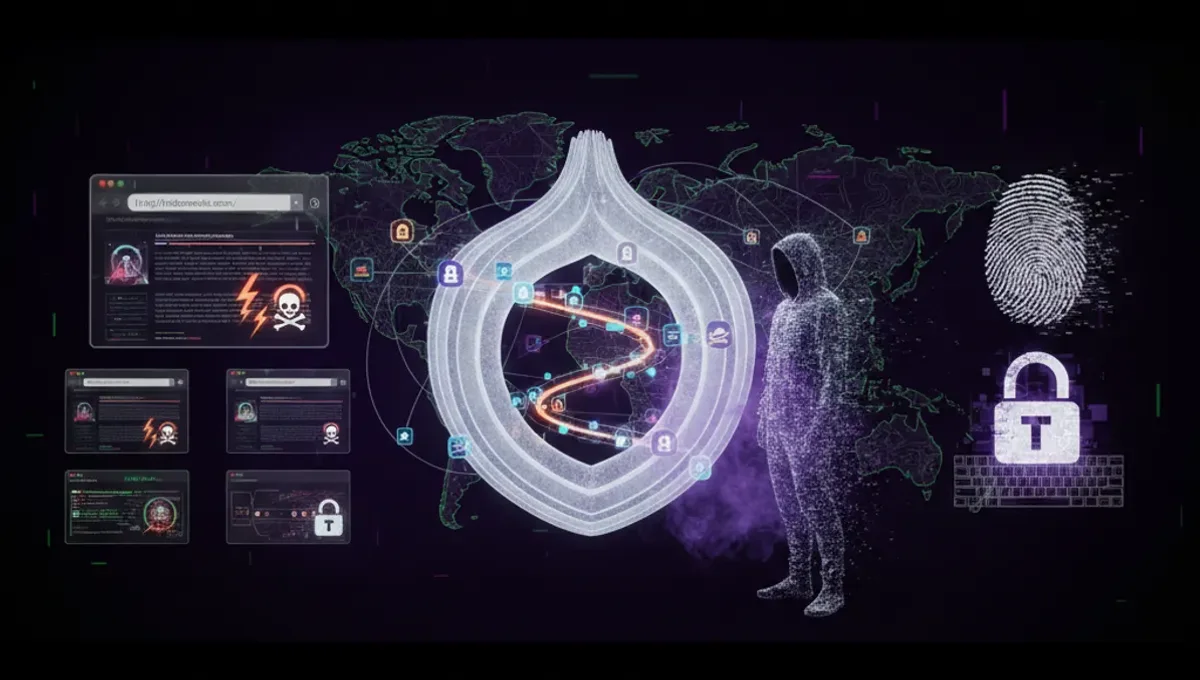
Dark web addresses are cryptographic identifiers that route traffic through multiple Tor nodes, obscuring both user location and server identity. A typical .onion address appears as a string of 16 or 56 characters followed by the .onion extension. These addresses are generated algorithmically rather than registered through traditional domain registrars. The encryption layer means addresses cannot be resolved through standard DNS lookups. Each address represents a hidden service configured to accept Tor connections exclusively. Understanding this technical foundation helps distinguish legitimate dark web addresses from phishing attempts that mimic real sites.
How Dark Web Access Works with Addresses
Accessing dark web addresses requires the Tor Browser, which routes your connection through a series of encrypted relays before reaching the destination server. When you enter a .onion address into Tor Browser, the application negotiates a connection through multiple intermediate nodes, preventing any single point from knowing both your identity and the site you're visiting. The dark web address itself contains routing information embedded in its cryptographic structure. This process differs from standard web access where your ISP can see which sites you visit. Tor Browser handles all technical complexity automatically, making dark web address access straightforward once the browser is installed properly.
Finding Verified Dark Web Addresses
Legitimate dark web addresses are typically discovered through established directories, community forums, or direct referrals from trusted sources. The Hidden Wiki serves as one of the oldest aggregated collections of .onion links, though users should verify each address independently. Dark web search engines like Ahmia and Torch index some .onion sites, though coverage remains incomplete. Many active dark web addresses are shared through Reddit communities, Discord servers, or specialized forums dedicated to specific topics. When searching for addresses, cross-reference multiple sources to confirm legitimacy. Official project websites often publish their own .onion addresses prominently. Avoid addresses found in random comments or unsolicited messages, as these frequently lead to scams or malware distribution points.
Identifying Scam and Fake Dark Web Addresses
Scammers create convincing fake .onion addresses that mimic legitimate sites through visual similarity or typosquatting. Real dark web addresses remain consistent across time, while fraudulent ones frequently change. Legitimate projects publish their official addresses on multiple platforms and maintain them for extended periods. Check for HTTPS certificates where available and verify cryptographic signatures if the site provides them. Phishing addresses often contain subtle character substitutions that appear identical at first glance. Before entering credentials or sending funds, verify the address through at least two independent sources. Sites requesting unusual payment methods or offering unrealistic returns are typically fraudulent. The dark web address itself provides no guarantee of legitimacy, making independent verification essential.
Dark Web Directory Resources and Aggregators
Multiple directories aggregate dark web addresses for different purposes. The Hidden Wiki remains the most comprehensive general directory, though it requires manual curation and contains outdated links. Specialized directories focus on specific categories like privacy tools, communication platforms, or information resources. Some directories use automated verification systems to test whether listed addresses remain active. Community-maintained lists on forums often provide more current information than static directories. When using any dark web directory, assume that a percentage of listed addresses will be inactive or compromised. Cross-reference addresses across multiple directories before visiting. Directories themselves can be targets for malicious actors, so verify directory authenticity through established security communities before trusting their contents.
Dark Web Engine Search vs. Directory Browsing
Dark web search engines crawl .onion sites and index their content, functioning similarly to surface web search but with significant limitations. Search engines like Ahmia provide keyword-based discovery of dark web addresses, though coverage remains sparse compared to Google. Directory browsing involves manually navigating categorized lists of known addresses, offering more curated results but requiring more effort. Search engines return results faster for broad queries but may include outdated or malicious addresses. Directories provide context and community feedback about each address but require knowing what you're looking for. Most experienced users combine both approaches, using directories for initial orientation and search engines for specific queries. Neither method guarantees finding all relevant dark web addresses for any given topic.
Safety Practices When Using Dark Web Addresses
Visiting dark web addresses carries inherent risks beyond surface web browsing. Disable JavaScript in Tor Browser settings to prevent certain exploit vectors. Keep your operating system and all software fully updated before accessing any dark web address. Use a dedicated virtual machine or separate device if possible to isolate dark web activity. Never maximize your browser window, as this can reveal your screen resolution to websites. Assume that any dark web address could be monitored by law enforcement or malicious actors. Avoid downloading files unless absolutely necessary, and scan them with multiple antivirus tools before opening. Never enable plugins or extensions in Tor Browser. Consider using a VPN before connecting to Tor for additional anonymity, though this adds complexity. Treat every dark web address as potentially hostile until proven otherwise.
Frequently asked questions
How do I find a specific dark web address?
Use established directories like The Hidden Wiki or search engines like Ahmia for indexed .onion sites. Cross-reference results across multiple sources to verify legitimacy. Community forums and Reddit discussions sometimes share addresses for specific services. Always verify through at least two independent sources before visiting any address.
Are all dark web addresses illegal?
No. Many dark web addresses host legitimate services including privacy-focused email, communication platforms, and information resources. However, the dark web also hosts illegal marketplaces and content. The address itself doesn't determine legality; the content and services provided do. Research any address thoroughly before accessing it.
Can dark web addresses be traced?
Tor's design makes tracing individual users extremely difficult, but not impossible under certain circumstances. Law enforcement has successfully identified dark web users through technical exploits, operational security failures, or cooperation from site administrators. Using dark web addresses doesn't guarantee anonymity; proper security practices are essential.
Why do dark web addresses change?
Site operators change addresses to evade law enforcement, escape compromised infrastructure, or recover from attacks. Some addresses are intentionally temporary. Legitimate projects maintain consistent addresses and publish them through multiple channels. Frequently changing addresses often indicate scam operations or illegal marketplaces.
Is it illegal to access dark web addresses?
Accessing the dark web itself is legal in most countries. However, accessing specific addresses hosting illegal content or services is illegal. The legality depends on what you access and your jurisdiction. Simply using Tor Browser and visiting legitimate .onion sites carries no legal risk in most Western countries.