What Is the Onion Dark Web
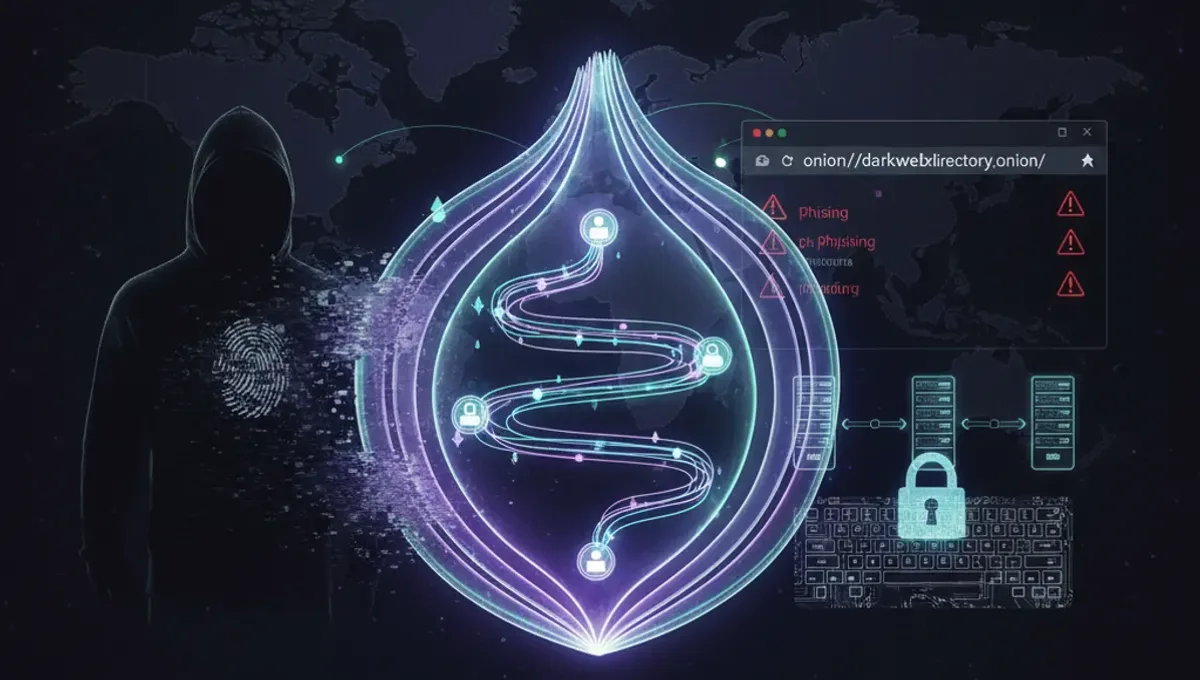
The onion dark web refers to websites and services accessible only through the Tor network, identified by .onion domain extensions. These sites use multiple layers of encryption, similar to layers of an onion, which gives the network its name. Unlike the surface web, onion dark web addresses aren't indexed by standard search engines and require specific software to access. The architecture provides anonymity for both site operators and visitors, making it useful for journalists, activists, and privacy-conscious individuals in restrictive regions. However, this same anonymity attracts illegal activity, making it essential to understand the legitimate uses versus criminal operations.
How to Access Onion Dark Web Safely
Dark web access begins with downloading Tor Browser, the legitimate tool maintained by the Tor Project. Install it on a dedicated device or virtual machine if possible. Once installed, Tor Browser routes your connection through multiple servers, obscuring your IP address. Never maximize your browser window, as this can reveal your screen resolution to tracking scripts. Disable JavaScript in security settings to prevent exploits. When visiting onion com dark web sites, verify URLs carefully since phishing pages mimic legitimate ones. Use a VPN before connecting to Tor for additional protection, though this adds complexity. Never enable plugins or extensions, and keep your operating system fully updated. These precautions significantly reduce your exposure to malware and tracking.
Finding Legitimate Onion Addresses
Dark web addresses ending in .onion are distributed through various channels rather than traditional search results. Official organizations like news outlets, human rights groups, and privacy foundations publish their onion addresses on their surface web sites. Directories maintained by the Tor community catalog verified services, though these require careful evaluation. When searching for specific dark web address information, cross-reference multiple sources to confirm legitimacy. Many established services maintain consistent onion addresses for years, while scam sites frequently change URLs. Look for sites with clear purposes, professional presentation, and community reputation. Avoid clicking links from untrusted sources, as malicious actors create convincing replicas of popular services to steal credentials or distribute malware.
Identifying Scams and Malicious Sites
Scams on the onion dark web range from fake marketplaces to phishing pages impersonating legitimate services. Red flags include requests for payment before service delivery, promises of unrealistic returns, and poor grammar or design. Legitimate sites typically have established histories, community feedback mechanisms, and professional infrastructure. Never trust sites that demand cryptocurrency payments without escrow systems. Avoid downloading files from unfamiliar sources, as they frequently contain malware or spyware. Check community forums and discussion boards for warnings about specific addresses before visiting. If a site seems too good to be true, it almost certainly is. Remember that law enforcement agencies also operate honeypot sites to identify criminal activity, so even established-looking pages may pose risks.
Common Onion Dark Web Services
Legitimate onion dark web services include privacy-focused email providers, secure messaging platforms, and news organizations operating uncensored outlets. Libraries and archives preserve information in regions with strict censorship. Whistleblowing platforms provide secure channels for journalists to receive sensitive documents. Privacy-focused forums discuss technology, security, and digital rights. Some academic institutions maintain onion mirrors for research access. Cryptocurrency exchanges and privacy wallets operate on the onion network. Support communities for marginalized groups offer safe spaces for discussion. These services serve genuine purposes for privacy, free speech, and security. However, the same infrastructure also hosts illegal marketplaces and content, so context and verification remain essential when navigating any onion dark web address.
Dark Web Search Engines and Directories
Specialized search engines index onion dark web content, though coverage remains limited compared to surface web search. These engines crawl .onion sites and catalog them by category, making discovery easier than random browsing. Major dark web search engines maintain their own onion addresses for access through Tor. Results often include warnings about site legitimacy based on community reports. Some directories organize sites by purpose: communication, information, commerce, and forums. Search results may include both legitimate services and flagged dangerous sites, requiring user judgment. These tools help researchers and privacy advocates locate relevant resources without stumbling onto malicious content. However, no dark web search engine can guarantee accuracy or safety, so verification through multiple sources remains necessary before visiting any dark web address.
Legal and Ethical Considerations
Accessing the onion dark web itself is legal in most countries, including the United States and European nations. However, specific activities conducted on the network may violate laws. Purchasing illegal goods, distributing malware, or accessing child exploitation material constitutes criminal activity regardless of platform. Journalists and researchers use dark web access for legitimate investigative work. Activists in oppressive regimes rely on onion dark web infrastructure for free expression. Privacy advocates test security and contribute to network development. Understanding the distinction between tool and use case is critical. Many people access the onion dark web for entirely lawful purposes, while others exploit its anonymity for harm. Your responsibility lies in using the technology ethically and understanding that anonymity doesn't provide legal immunity for criminal conduct.
Frequently asked questions
Is accessing the onion dark web illegal?
Accessing the onion dark web through Tor Browser is legal in most countries. However, specific activities conducted on the network may violate laws. Purchasing illegal goods, distributing malware, or accessing exploitative content constitutes criminal activity. Using the technology for privacy, research, or accessing censored information remains lawful in most jurisdictions.
How do I know if an onion dark web address is legitimate?
Verify onion addresses through multiple independent sources before visiting. Check community forums and established directories for reputation information. Legitimate sites typically have consistent histories, professional design, and clear purposes. Be suspicious of sites requesting payment before service delivery or making unrealistic promises. Cross-reference any address with official sources from recognized organizations.
What is the difference between the dark web and deep web?
The deep web includes all internet content not indexed by search engines, including private email accounts and academic databases. The dark web is a small portion of the deep web intentionally hidden and requiring specific software like Tor to access. Most deep web content is mundane and legal, while the dark web's anonymity attracts both legitimate privacy advocates and illegal operators.
Can I get malware from visiting onion dark web sites?
Yes, malware risk exists on the onion dark web, particularly from unverified sources. Protect yourself by using updated security software, disabling JavaScript in Tor Browser, and avoiding downloads from untrusted sites. Never maximize your browser window, as this reveals identifying information. Use a virtual machine or dedicated device for dark web browsing to isolate potential infections.
What should I do if I encounter illegal content on the onion dark web?
If you encounter illegal content, particularly child exploitation material, report it to the National Center for Missing and Exploited Children or your local law enforcement agency. Most countries have dedicated cybercrime units that investigate dark web criminal activity. Do not engage with the content or attempt to download it, as this may constitute a crime.