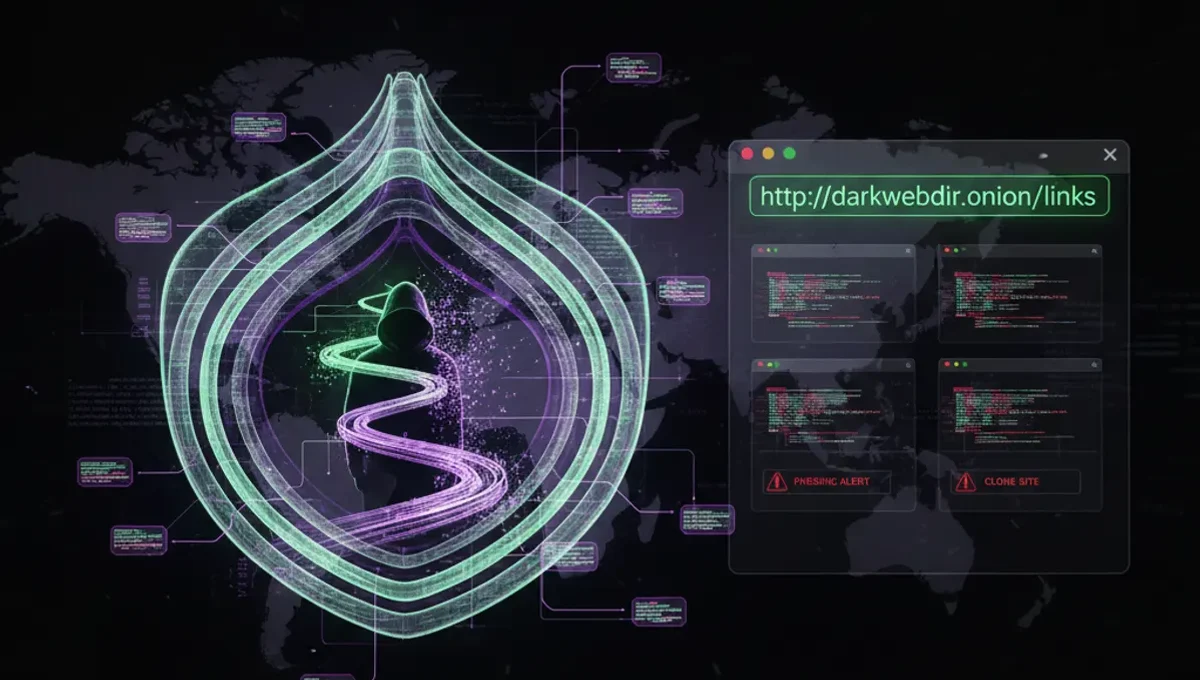
What Is a Dark Web Link List
A dark web link list is a curated collection of .onion addresses organized by category. These lists function similarly to traditional web directories but point to sites accessible only through Tor. Unlike search engines, link lists provide human-verified entries with descriptions of each site's purpose. They reduce the risk of landing on honeypots or phishing mirrors by offering pre-screened addresses. Most lists include marketplace links, forum addresses, communication platforms, and news sites. The quality varies significantly between sources, with some maintained by community members and others abandoned or compromised. Effective link lists include last-verified dates and user feedback to indicate current functionality.
Types of Sites in Dark Web Link Lists
Dark web link lists typically organize sites into several categories. Marketplaces facilitate transactions for legal and illegal goods. Forums host discussion communities around technology, privacy, and other topics. Communication platforms offer encrypted messaging and email services. News outlets provide journalism focused on privacy and surveillance. Library sites archive books, research papers, and documents. Financial services include cryptocurrency exchanges and mixing services. Each category contains dozens to hundreds of entries depending on the list's scope. Some lists focus exclusively on legal resources, while others include everything accessible on Tor. The presence of a site on a list doesn't indicate legitimacy or legality, only that the address was functional at the time of listing.
How to Use a Dark Web Link List Safely
Accessing sites from a dark web link list requires preparation. First, download Tor Browser from the official source, not mirrors or third-party sites. Verify the download's cryptographic signature before installation. Open Tor Browser and allow it to establish connections before clicking any links. When using a link list, cross-reference addresses across multiple sources to confirm they haven't been replaced with phishing mirrors. Never enable plugins or extensions in Tor Browser. Disable JavaScript in security settings to prevent fingerprinting. Assume every site could be a scam or law enforcement operation. Don't maximize your browser window, as this aids fingerprinting. Use a dedicated virtual machine if accessing sensitive sites. Keep your operating system and all software updated.
Identifying Scams in Dark Web Link Lists
Scammers frequently create fake entries in dark web link lists or replace legitimate addresses with phishing mirrors. Red flags include newly created addresses with no history, sites requesting payment before access, and links that redirect to unrelated content. Verify addresses by checking multiple independent sources and looking for consistent descriptions. Legitimate sites often have associated social media accounts or discussion threads where users report issues. Be suspicious of links promising guaranteed anonymity or claiming to offer services that seem too convenient. Check if a site has been mentioned in security research or news articles. User reviews on forums can indicate whether a link is current or compromised. Never trust a single source for any address, especially for financial or marketplace links.
Dark Web Combo Lists and Aggregators
A dark web combo list aggregates multiple categories of links into one resource. These comprehensive directories attempt to catalog everything from marketplaces to forums to libraries. Combo lists serve users seeking a one-stop reference but sacrifice curation quality for breadth. Maintaining an accurate combo list requires constant verification, as onion sites frequently go offline or get replaced. Some aggregators pull data from multiple sources, introducing errors and outdated information. The most reliable combo lists include timestamps showing when each link was last verified. Community-maintained lists often have better accuracy than automated scrapers. However, no single combo list remains completely current due to the dynamic nature of Tor sites. Users should treat any link list as a starting point requiring independent verification.
Legal and Ethical Considerations
Accessing dark web sites through link lists exists in a legal gray area depending on jurisdiction and intent. Merely visiting a site is typically legal, but purchasing illegal goods or services is not. Law enforcement agencies monitor Tor networks and maintain honeypot sites designed to identify users. Some dark web link lists are themselves operated by law enforcement to track visitors. Sharing link lists that facilitate illegal activity may violate laws in certain jurisdictions. Users should understand that accessing the dark web leaves traces on their device and network, despite Tor's anonymity features. VPN providers and ISPs may flag Tor usage. Employment contracts sometimes prohibit accessing Tor networks. Research your local laws and consider the consequences before using dark web link lists for any purpose.
Finding Current Dark Web Link Lists
Locating active dark web link lists requires knowing where to search. The Hidden Wiki, accessible through Tor, maintains a directory of links and is frequently updated by community members. Reddit communities focused on privacy and Tor occasionally share curated lists, though these require verification. Some security researchers publish dark web link lists as part of research projects. Cryptocurrency forums sometimes host link aggregators. The challenge is distinguishing between current lists and abandoned resources. Outdated lists contain numerous dead links and compromised addresses. Look for lists with recent update dates and active community maintenance. Be cautious of lists promoting specific marketplaces or services, as these often prioritize profit over accuracy. The most reliable approach involves consulting multiple sources and verifying each address independently before visiting.
Frequently asked questions
Are dark web link lists legal to use?
Using link lists to access Tor sites is generally legal, but the legality depends on what you access and your jurisdiction. Visiting a site is typically permitted, but purchasing illegal goods or services is not. Law enforcement monitors Tor networks, and some link lists are honeypots designed to identify users. Research your local laws before using any dark web resources.
How often are dark web link lists updated?
Update frequency varies significantly. Community-maintained lists like the Hidden Wiki receive regular updates, sometimes daily. Abandoned lists may not be updated for months or years. Most reliable lists include timestamps showing when each link was last verified. Always check the update date before trusting any link list, as outdated entries frequently lead to dead sites or phishing mirrors.
Can I trust links from a dark web link list?
No single list should be trusted completely. Scammers replace legitimate addresses with phishing mirrors, and law enforcement operates honeypot sites. Cross-reference addresses across multiple independent sources before visiting. Look for user feedback in forums and check if sites have been mentioned in security research. Assume every site could be a scam until proven otherwise.
What's the difference between a dark web link list and a search engine?
Link lists are manually curated directories with human-verified entries and descriptions. Search engines crawl sites and index content automatically. Link lists reduce scam exposure through curation but offer limited coverage. Search engines provide broader discovery but include more fraudulent sites. Most users combine both approaches for comprehensive dark web navigation.
How do I access a dark web link list?
Download Tor Browser from the official source and verify its cryptographic signature. Open Tor Browser and allow it to establish connections. Navigate to the Hidden Wiki or other link list addresses through Tor. Never click links from non-Tor sources, and always cross-reference addresses. Use a dedicated virtual machine for added security when accessing sensitive sites.