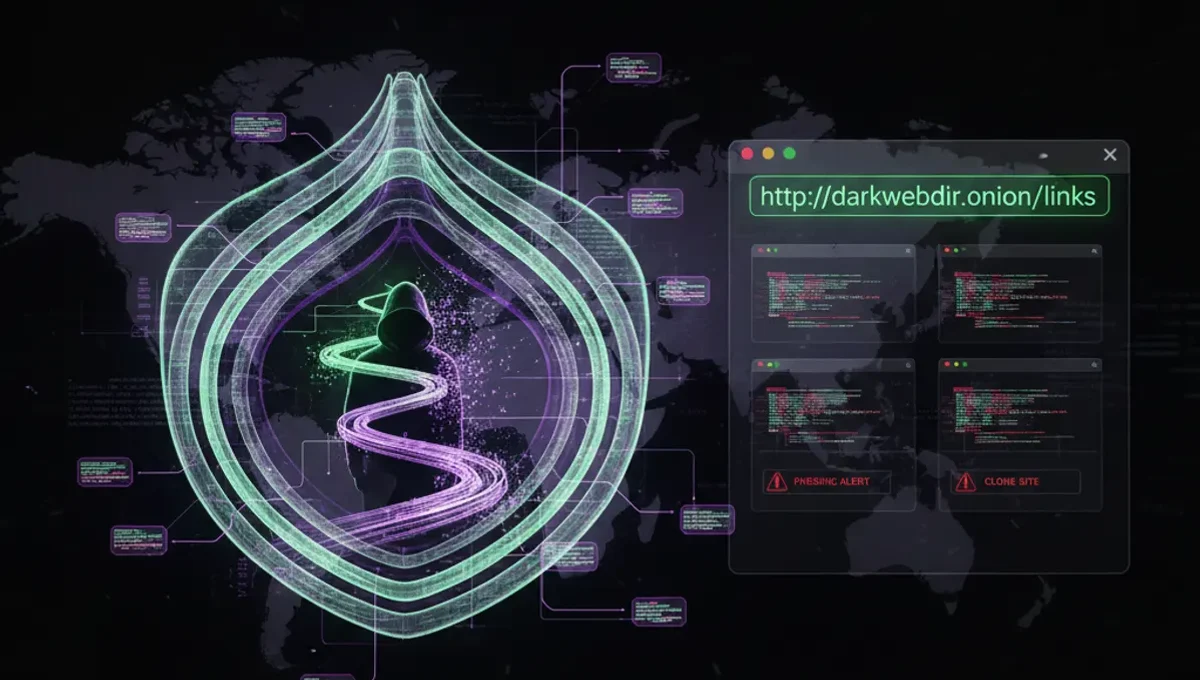
What Is a Dark Web Links List
A dark web links list is a directory of verified onion URLs organized by category. These lists function similarly to traditional web directories but focus on .onion domains accessible through Tor. They typically include marketplaces, forums, news sites, and privacy resources. The Hidden Wiki is one of the oldest and most referenced dark web link lists, maintained by community contributors. These directories help users avoid dead links and reduce time spent searching. Most legitimate lists include brief descriptions of each site's purpose, though quality varies significantly. Some lists are updated regularly while others become outdated quickly. Users should cross-reference multiple sources before visiting unfamiliar sites.
Types of Sites in Dark Web Link Lists
Dark web link lists typically categorize sites into several groups. Information archives include libraries, wikis, and documentation repositories focused on privacy and security. Communication platforms offer encrypted messaging, forums, and discussion boards where anonymity is prioritized. Marketplace listings range from legitimate services to illegal goods, though reputable directories often exclude the latter. News and media sections feature independent journalism and uncensored reporting. Financial services include cryptocurrency exchanges and privacy-focused banking alternatives. Educational resources cover technical tutorials, security guides, and programming documentation. Whistleblowing platforms provide secure channels for submitting sensitive information. Most comprehensive lists organize these categories clearly so users can navigate by interest rather than stumbling onto unwanted content.
How to Access Dark Web Sites from a List
Accessing sites from a dark web links list requires Tor Browser, which routes your connection through multiple servers to mask your identity. Download Tor Browser from the official Tor Project website only. Open the browser and wait for it to establish a connection to the Tor network. Copy an onion address from your chosen list and paste it into the address bar. The site may load slowly due to the multiple routing layers. Never maximize your browser window, as this can reveal your screen resolution to websites. Disable JavaScript in Tor Browser settings for additional security. Always verify you're on the correct site by checking the URL carefully, as phishing sites often use similar addresses. Keep your operating system and all software updated to prevent vulnerabilities.
Identifying Legitimate Dark Web Link Lists
Not all dark web link lists are trustworthy. Legitimate directories are maintained by established communities and updated regularly to remove dead links. The Hidden Wiki has been referenced for years and includes community moderation. Look for lists that clearly separate verified sites from unverified ones. Legitimate lists typically include warnings about scams and best practices for safe browsing. Avoid lists that promise guaranteed access to illegal goods or services. Check if the list is hosted on a stable onion address rather than frequently changing URLs. Read user reviews and community discussions about specific lists before relying on them. Cross-reference multiple sources to confirm site legitimacy. Be skeptical of lists that appear on clearnet sites, as these may contain outdated or malicious information.
Common Scams and How to Spot Them
Dark web scams exploit users' anonymity and lack of recourse. Phishing sites mimic legitimate marketplaces to steal credentials and cryptocurrency. These fake sites use URLs similar to real ones, differing by only one or two characters. Verify addresses carefully before entering any information. Advance-fee scams promise access to exclusive services or goods in exchange for upfront payment, then disappear. Exit scams occur when marketplace operators vanish with user funds. Malware-laden downloads disguise viruses as legitimate software or documents. Only download files from trusted sources and scan them with antivirus software. Fake link lists direct users to malicious sites designed to harvest data. Use established, community-verified lists rather than random directories. Never enable plugins or extensions in Tor Browser, as these can compromise anonymity.
Best Practices for Using Dark Web Link Lists
Safe navigation requires discipline and caution. Start with well-known lists like The Hidden Wiki before exploring lesser-known directories. Read site descriptions thoroughly before clicking links. Use a dedicated device or virtual machine if possible to isolate your main system. Enable all security features in Tor Browser, including disabling JavaScript and plugins. Never maximize your browser window or change default settings that could reveal identifying information. Use a VPN before connecting to Tor for additional anonymity, though this is debated among security experts. Assume all sites could be monitored or compromised. Never download files unless absolutely necessary, and scan everything with antivirus software. Keep your Tor Browser updated to the latest version. Avoid visiting multiple sites in a single session if they could be linked to your identity.
Maintaining Privacy While Browsing
Privacy protection is essential when using dark web link lists. Tor Browser provides baseline anonymity, but additional measures strengthen protection. Use a dedicated email address that contains no personal information. Never reuse usernames across different sites, as this can create linkable identities. Disable browser plugins and extensions, which can leak your real IP address. Cover your webcam and disable microphone access in browser settings. Use strong, unique passwords for each site you access. Consider using a hardware wallet for cryptocurrency transactions rather than online wallets. Avoid maximizing windows or using full-screen mode, which can reveal screen resolution. Never enable plugins or extensions that could compromise anonymity. Be cautious with file downloads, as metadata can reveal identifying information. Regularly clear your Tor Browser cache and cookies.
Frequently asked questions
Is it illegal to access dark web link lists?
Accessing dark web link lists and using Tor Browser is legal in most countries. However, accessing specific sites for illegal activities is not. Many legitimate uses exist, including privacy protection, journalism, and accessing information in censored regions. Your legal status depends on what you do, not merely accessing the dark web itself.
How often are dark web link lists updated?
Update frequency varies significantly. The Hidden Wiki receives regular community updates, though some links may become outdated. Other lists update sporadically or become abandoned. Always verify links before clicking, as sites frequently move or disappear. Cross-reference multiple lists to find current addresses for sites you're seeking.
Can I trust all sites listed in dark web directories?
No. Even curated lists contain sites that may be scams, honeypots, or compromised. Legitimate lists include warnings about unverified sites. Always research a site independently before providing information or money. Look for user reviews and community discussions. When in doubt, avoid the site entirely.
What should I do if I encounter a scam site?
Report it to the list maintainers so they can remove it. Document the URL and any suspicious behavior. Do not engage further with the site. If you've lost money or information, consider reporting it to relevant authorities. Warn others in community forums about your experience to help prevent future victims.
Are dark web link lists the only way to find onion sites?
No. You can also find links through forums, Reddit communities, and word-of-mouth recommendations. However, link lists provide organized, categorized access. They're generally safer than random searching, though not foolproof. Combining multiple discovery methods provides better coverage than relying on a single source.