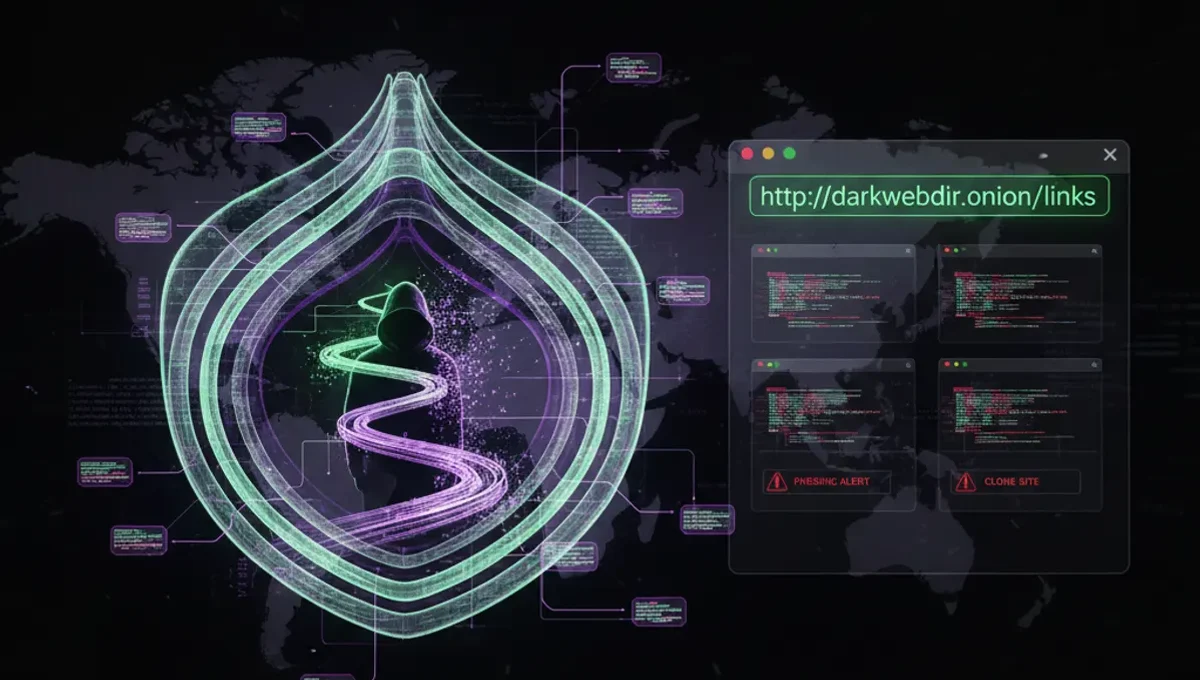
Understanding Dark Web Site Lists
A list of dark web sites serves different purposes than surface web directories. Dark web link lists require constant maintenance because sites disappear, migrate, or get seized. Onion addresses change frequently, and many directories become outdated within weeks. This list dark web resource prioritizes stability and legitimacy. We exclude marketplaces known primarily for illegal goods. Instead, we focus on communication platforms, information archives, and services that operate within legal boundaries. The dark web combo list approach combines multiple categories so users can find what they need without extensive searching.
Communication & Messaging Platforms
Dark web links list several secure messaging services designed for privacy-conscious users. These platforms operate independently from mainstream infrastructure and offer end-to-end encryption by default. Users access them through Tor browsers to maintain anonymity. Common categories include instant messaging applications, email services, and discussion forums. Many serve journalists, activists, and researchers who need confidential communication channels. These services typically require no personal information for registration. Performance varies depending on server load and network conditions. Most maintain active communities with regular users and moderators.
Information & Knowledge Resources
The dark web link list includes archives, libraries, and information repositories. These sites preserve documents, research papers, and historical records. Some operate as mirrors of censored content from restricted regions. Others function as independent news outlets and investigative journalism platforms. Knowledge bases cover topics from technology to philosophy, maintained by volunteer communities. Access speeds depend on server capacity and your connection quality. Many resources are free and require no registration. These sites often emphasize intellectual freedom and unrestricted information sharing as core principles.
Forums & Community Spaces
Dark web lists of sites include discussion forums organized by topic. These communities range from technology and security discussions to niche interest groups. Forum membership typically requires registration but remains pseudonymous. Moderation standards vary significantly between communities. Some maintain strict rules against illegal content, while others operate with minimal oversight. Activity levels fluctuate based on user engagement and current events. Established forums often have multi-year histories and stable user bases. New members should read community guidelines before posting to avoid violations.
Spotting Scams & Dangerous Sites
When reviewing any dark web link list, scam detection is critical. Red flags include requests for payment before service delivery, promises of guaranteed returns, and pressure to act quickly. Phishing sites mimic legitimate services with slightly altered addresses. Check site certificates and verify addresses through multiple sources before accessing. Avoid downloading files from untrusted sources. Legitimate sites typically have consistent uptime and active moderation. User reviews and community discussions help identify problematic services. Never share personal information or cryptocurrency wallet details with unverified operators.
Accessing Sites Safely
Using a dark web combo list requires proper security practices. Always use an updated Tor browser from official sources. Consider running Tor through a VPN for additional anonymity layers. Disable JavaScript in browser settings to prevent fingerprinting. Keep your operating system and security software current. Use separate devices or virtual machines for dark web browsing when possible. Never maximize your browser window, as this reveals screen resolution data. Disable plugins and extensions that might leak your identity. Test your connection with leak detection tools before accessing sensitive sites.
Maintaining Current Dark Web Lists
Dark web links list resources require constant updates because infrastructure changes rapidly. Sites migrate to new addresses, shut down, or get replaced by newer versions. Community forums discuss site status and share working links. Bookmark management becomes essential when maintaining multiple onion addresses. Some users maintain personal lists synchronized across devices. Backup important bookmarks in encrypted storage. Cross-reference multiple sources before trusting any single list. Outdated directories can lead to phishing sites or dead links. Regular verification prevents wasted time and potential security risks.
Frequently asked questions
What is the difference between a dark web link list and a regular directory?
Dark web lists require constant maintenance because onion addresses change frequently and sites disappear without warning. Regular directories serve stable websites with permanent addresses. Dark web lists must verify functionality regularly, while surface web directories rely on domain registration stability.
How do I know if a dark web site on a list is legitimate?
Check for consistent uptime, active moderation, and community discussion. Verify the address through multiple independent sources. Legitimate sites typically have established histories and user reviews. Avoid sites requesting payment upfront or making unrealistic promises.
Are all sites on dark web lists illegal?
No. Many dark web sites serve legitimate purposes like secure communication, information sharing, and privacy protection. Illegal marketplaces represent only a portion of dark web activity. This directory focuses on legal services and information resources.
How often should I update my dark web link list?
Update your list monthly or whenever you encounter dead links. Sites migrate frequently, and new services launch regularly. Community forums discuss current working addresses. Outdated lists lead to phishing attempts and wasted time accessing non-functional sites.
Can I trust bookmarks from other users' dark web lists?
Verify addresses through multiple sources before accessing. Phishing sites mimic legitimate services with slightly altered onion addresses. Check community discussions and recent activity before trusting unfamiliar links.