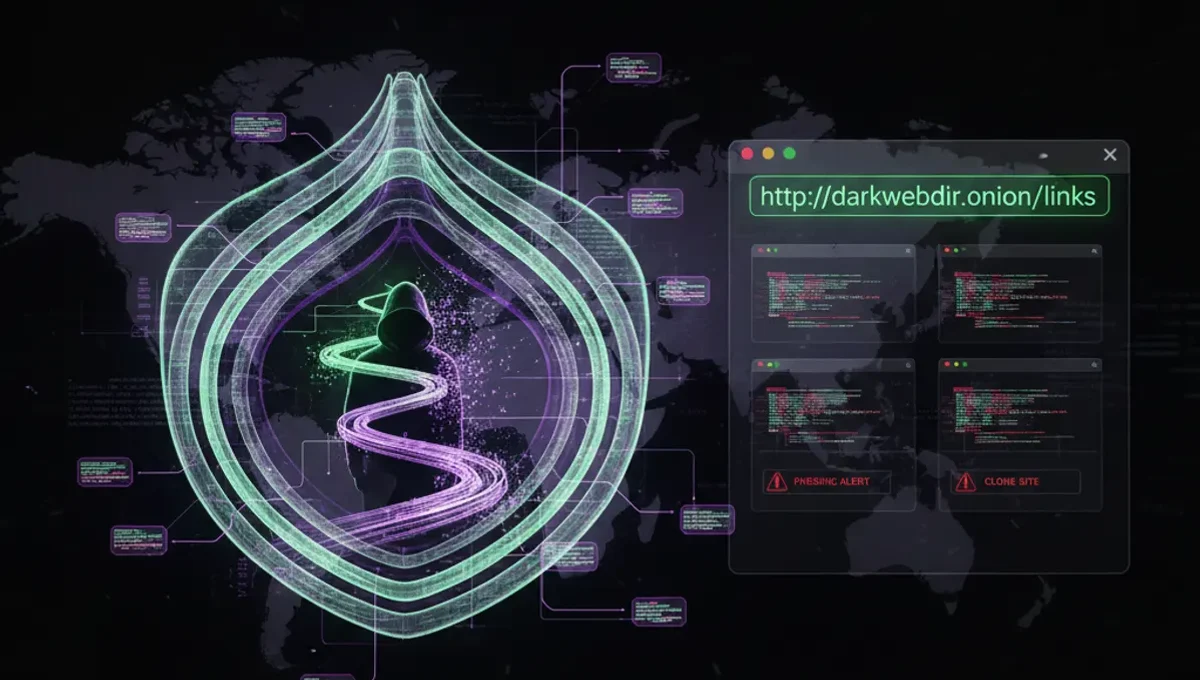
Understanding Dark Web Site Categories
Dark web sites fall into distinct categories based on function and legitimacy. Marketplaces facilitate transactions, forums host discussions, archives preserve censored content, and privacy services protect anonymity. Each category has different risk profiles. Marketplaces tend to attract scammers, while forums and archives are generally safer. News sites and whistleblowing platforms operate transparently with known operators. Understanding these categories helps you assess what you're accessing and what precautions to take. A dark web combo list typically groups sites this way, making navigation more intuitive than random link collections.
How to Access and Verify Dark Web Links
Accessing dark web sites requires Tor Browser, which routes your connection through multiple servers. Download only from the official Tor Project website to avoid compromised versions. Once installed, you'll see .onion addresses instead of standard URLs. Verification matters because fake sites mimic legitimate ones. Check if a site has been referenced in multiple independent sources, look for consistent operator information, and verify HTTPS certificates where available. Many established dark web sites publish their addresses on clearnet mirrors or social media accounts. Never click links from untrusted sources, and always type addresses manually when possible. This approach reduces exposure to phishing and malware.
Building Your Dark Web Website List
Creating a personal dark web website list helps you avoid repeatedly searching for sites. Start with well-documented resources like privacy guides and archived lists from established sources. Bookmark sites using Tor Browser's built-in features rather than external tools. Organize by category: news, forums, markets, services. Keep notes on what each site offers and when you last verified it worked. Many sites disappear or move without warning, so periodically test your list. A dark web link list should include backup addresses when available. Some sites maintain multiple onion addresses for redundancy. Document the primary and secondary addresses separately. This practice saves time and reduces your exposure to search results that might contain malicious links.
Identifying Scams and Dangerous Sites
Scams dominate dark web marketplaces and some forums. Red flags include requests for payment upfront with no escrow, pressure to act quickly, and promises of unrealistic returns. Dangerous sites host malware, phishing attempts, or law enforcement honeypots. Check site age through archives when possible. Established sites have consistent histories and operator reputations. New sites with aggressive marketing are often scams. Read user reviews carefully, noting that some may be fake. Avoid sites requesting unusual permissions or downloads. If a dark web access point seems too easy or too good to be true, it probably is. Many legitimate dark web communities have moderation systems and reputation scores that help identify trustworthy participants.
Dark Web Combo Lists vs. Individual Research
Pre-compiled dark web combo lists save time but carry risks. Aggregated lists may include outdated links, scams, or honeypots. The compiler's reliability matters significantly. Verify any list against multiple sources before trusting it. Individual research takes longer but gives you control over verification. Mix both approaches: use lists as starting points, then independently verify each site. Check when the list was last updated. Lists older than three months may contain many dead links. Some communities maintain crowdsourced lists with user ratings and recent activity indicators. These tend to be more reliable than static compilations. Always cross-reference important information across multiple sources before acting on it.
Safety Practices for Dark Web Navigation
Security requires multiple layers when accessing dark web sites. Use a dedicated device or virtual machine if possible. Keep your operating system and all software updated. Disable JavaScript in Tor Browser settings to prevent certain attacks. Use a VPN before connecting to Tor for additional privacy, though this adds complexity. Never maximize your browser window, as this can reveal your screen resolution to websites. Disable plugins and extensions. Don't open documents downloaded from dark web sites in your main system. Use a separate application or virtual environment. Assume every site could be compromised. Never trust a single source for critical information. The dark web rewards paranoia and patience over speed.
Legitimate Uses for Dark Web Site Lists
Journalists use dark web lists to access sources and research in censored regions. Activists find organizing tools and uncensored news. Researchers study privacy, security, and internet freedom. Whistleblowers locate secure submission platforms. Privacy advocates test anonymity tools. Academics examine dark web culture and economics. These legitimate uses justify maintaining organized dark web link lists. Understanding the ecosystem helps identify what's real versus what's theater. Many sites serve genuine purposes despite the dark web's reputation. Separating signal from noise requires knowledge and skepticism. A well-organized dark web website list becomes a research tool rather than a shopping catalog.
Frequently asked questions
Is it illegal to access a dark web list of sites?
Accessing dark web lists is legal in most countries. Using Tor and visiting .onion sites isn't illegal. However, specific activities on those sites may be illegal depending on your jurisdiction. Purchasing illegal goods, accessing child exploitation material, or engaging in fraud are crimes regardless of platform. The list itself is just information. Your responsibility lies in what you do with it.
How often should I update my dark web link list?
Update your list monthly or whenever you notice dead links. Dark web sites disappear frequently due to law enforcement, operator burnout, or technical issues. Test links before visiting to avoid wasted time. Keep backup addresses when available. Remove sites that haven't worked in three months. Add new verified sites as you discover them. A maintained list stays useful; an outdated one becomes dangerous.
Can I trust pre-compiled dark web combo lists?
Pre-compiled lists are starting points, not gospel. Verify each site independently before trusting it. Check when the list was last updated and who maintains it. Cross-reference against multiple sources. Some lists include scams or honeypots intentionally or through negligence. Use lists to discover sites, then research each one separately. Your skepticism is your best protection.
What's the difference between a dark web link list and a dark web website list?
These terms are often used interchangeably. A link list emphasizes the URLs themselves, while a website list may include descriptions and categories. Both serve the same purpose: organizing dark web addresses. Quality lists include both links and context about what each site offers and whether it's currently operational.
How do I know if a dark web site is a scam?
Check for consistent operator history, user reviews across multiple platforms, and realistic promises. Scams pressure you to act quickly or pay upfront. Established sites have moderation and reputation systems. New sites with aggressive marketing are often fraudulent. If something seems too good to be true, it is. Trust your instincts and verify through independent sources.