Darknet Web vs Dark Web: Key Differences
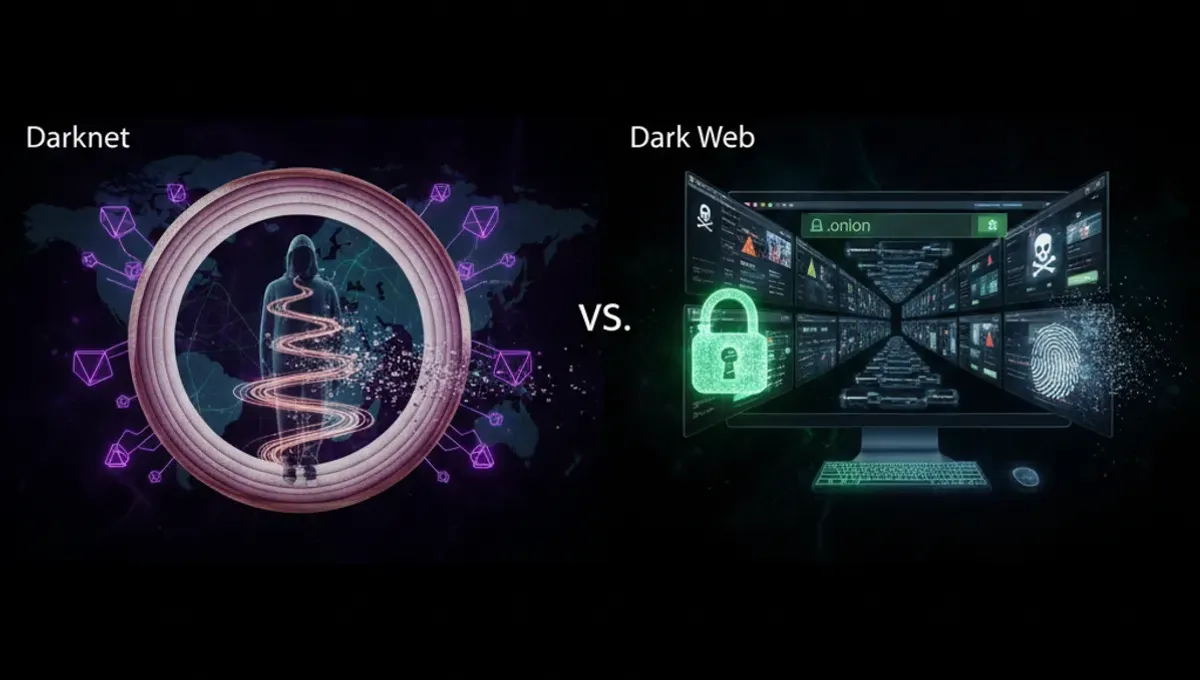
The terms darknet and dark web are often used interchangeably, but they have distinct meanings. A darknet is a network overlay that requires authorization or specific software to access, such as Tor or I2P. The dark web refers to content hosted on these networks that isn't indexed by conventional search engines. All dark web content exists on darknets, but not all darknet traffic involves dark web sites. Understanding this distinction clarifies what you're actually accessing when you connect to hidden networks and helps you evaluate security risks accurately.
How Darknet Web Access Works
Accessing the darknet web requires downloading and installing specialized software, most commonly Tor Browser. This application routes your connection through multiple encrypted relays, obscuring your IP address and browsing activity. Once installed, you can visit darknet web addresses, which typically end in .onion domains. The process is straightforward for basic access, though security depends heavily on your operational practices. Keeping your system updated, disabling plugins, and avoiding unnecessary downloads significantly reduce exposure to malware and tracking attempts.
Darknet Wiki Resources and Information
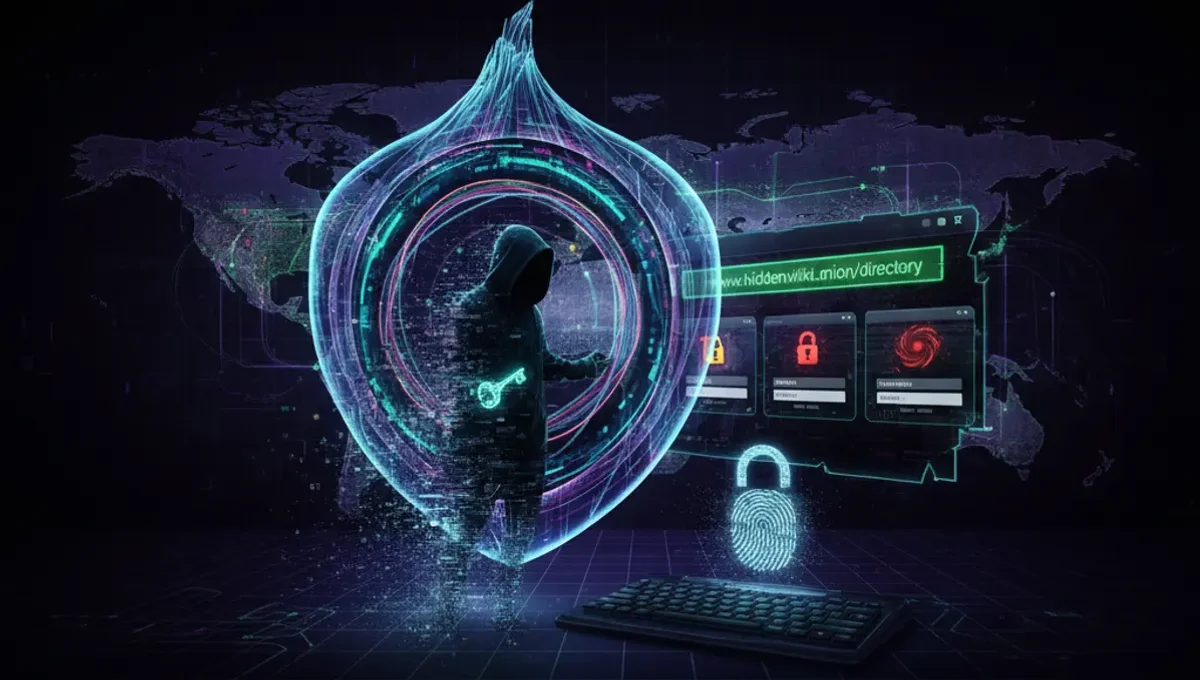
A darknet wiki functions as a crowdsourced directory of darknet web links, descriptions, and user reviews. These wikis catalog everything from communication platforms to marketplaces, though content quality and accuracy vary considerably. The Hidden Wiki represents one historical example of such a resource. When consulting any darknet wiki, verify information through multiple sources and recognize that listings may become outdated or point to compromised sites. Always approach wiki entries skeptically and cross-reference details before clicking unfamiliar links.
Dark Web Address Formats and Recognition
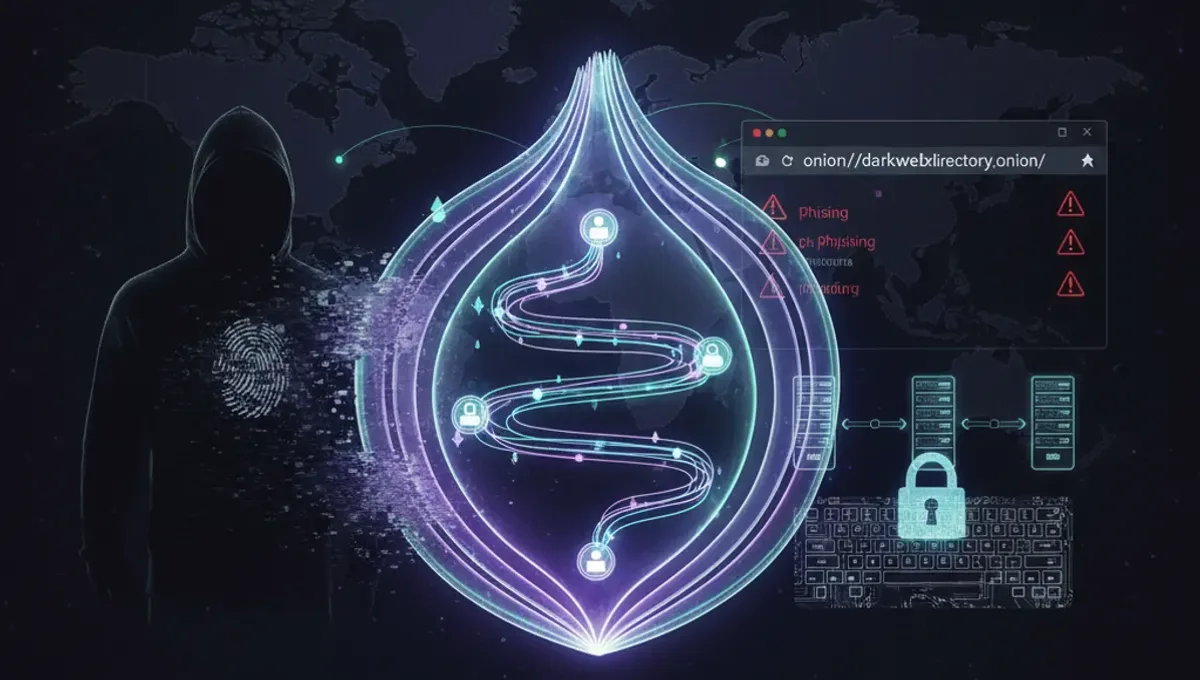
Dark web addresses differ significantly from standard URLs. Onion addresses consist of 56 random characters followed by .onion, appearing as seemingly random strings of letters and numbers. These addresses are generated cryptographically and serve as both location and identity verification. Legitimate darknet web operators publish their addresses through established channels to prevent impersonation. Scammers frequently create similar-looking addresses to deceive users, making it essential to bookmark correct addresses and verify them through multiple trusted sources before visiting.
Identifying Scams and Malicious Sites
Darknet web scams range from fake marketplaces to phishing pages designed to steal credentials. Red flags include requests for upfront payments, promises of unrealistic returns, poor grammar and design, and pressure to act quickly. Legitimate darknet web operators maintain consistent branding, transparent communication, and established reputation histories. Research any site through community forums and established review channels before engaging. Never download files from untrusted sources, and assume that any site could be compromised or malicious until proven otherwise through independent verification.
Privacy and Security Best Practices
Accessing the darknet web safely requires layered security measures beyond just using Tor. Use a dedicated device or virtual machine when possible to isolate darknet activity. Keep your operating system and all software fully updated. Disable JavaScript in Tor Browser settings to prevent certain exploits. Never maximize your browser window, as this can reveal your screen resolution to websites. Assume that any site operator can see your Tor exit node and potentially correlate your activity. Combine these technical measures with cautious behavior: avoid downloading files unnecessarily, don't enable plugins, and never assume anonymity is absolute.
Legal and Ethical Considerations
Accessing the darknet web itself is legal in most jurisdictions, but specific activities conducted there may not be. Law enforcement agencies actively monitor darknet networks and have successfully prosecuted users engaged in illegal transactions. The darknet web hosts legitimate content including privacy-focused communication tools, censorship-resistant publishing platforms, and academic resources. However, it also facilitates illegal marketplaces and content distribution. Understanding local laws and recognizing that anonymity is not guaranteed helps you make responsible decisions about what you access and how you use darknet networks.
Frequently asked questions
Is accessing the darknet web illegal?
Accessing the darknet web itself is legal in most countries. However, specific activities conducted on darknet networks may violate laws. Using Tor Browser and visiting .onion sites for legitimate purposes like privacy protection or accessing censored information is generally legal, but purchasing illegal goods or services carries serious legal consequences.
What's the difference between darknet web and deep web?
The deep web includes any internet content not indexed by search engines, such as email accounts, medical records, and paywalled content. The darknet web is a small subset of the deep web that has been intentionally hidden and requires specific software to access. Most deep web content is mundane and legal, while darknet networks operate with additional anonymity layers.
How do I find reliable darknet web addresses?
Reliable darknet web addresses are typically shared through established communities, forums, and wikis with long histories. Bookmark addresses from trusted sources rather than searching for them. Verify addresses through multiple independent sources before visiting. Be extremely skeptical of new addresses and always assume potential impersonation or compromise until verified through community reputation.
Can I be tracked on the darknet web?
While Tor provides significant anonymity, tracking is possible through various methods. Law enforcement has successfully de-anonymized Tor users through technical exploits, behavioral analysis, and operational security mistakes. Assume that darknet web operators can see your Tor exit node, and that determined adversaries may correlate your activity. Anonymity is not guaranteed, only significantly enhanced.
What should I avoid on the darknet web?
Avoid downloading files from untrusted sources, maximizing your browser window, enabling plugins, and using the same username across sites. Don't assume any site is safe or that anonymity is absolute. Avoid illegal marketplaces and content. Never conduct financial transactions without extensive verification. Stay cautious about social engineering attempts and phishing schemes designed to compromise your security.