Defining the Dark Web
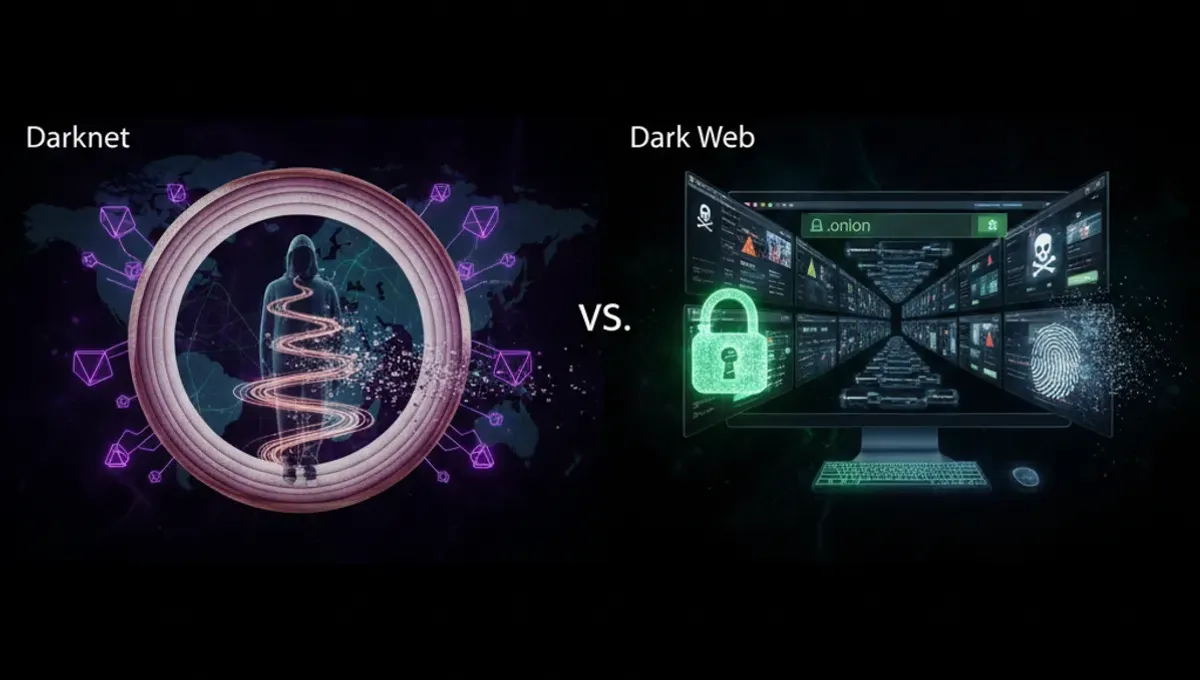
The dark web is a portion of the internet deliberately hidden from standard search engines and accessible only through specialized browsers. It exists on top of existing internet infrastructure and uses encryption protocols to mask user identity and location. Content on the dark web ranges from privacy-focused forums to marketplaces and information repositories. Access requires tools like Tor, which routes traffic through multiple nodes to obscure the user's origin. The dark web address structure uses .onion domains, making sites difficult to locate without direct links. Many legitimate uses exist, including journalism, activism, and privacy-conscious communication in restrictive regions.
Understanding the Darknet Web
The darknet web refers to intentionally isolated networks that require specific protocols and software to join. These networks operate independently from the public internet, creating closed ecosystems with their own rules and governance. Examples include peer-to-peer networks and private mesh systems. The darknet web emphasizes anonymity and security through technical architecture rather than just encryption. Access typically demands knowledge of network addresses and often involves invitation-based systems. These networks prioritize user privacy and resistance to censorship through decentralized design. The distinction matters because darknet infrastructure operates fundamentally differently from dark web access methods.
Technical Infrastructure Differences
The dark web operates as an overlay network on the existing internet, using encryption and routing protocols to hide content and user identity. The Tor network exemplifies this approach, directing traffic through volunteer-operated relays. The darknet web, by contrast, consists of separate networks built with different technical foundations. Some darknet systems use alternative protocols entirely, creating isolated digital spaces. Dark web access requires downloading specific software but connects to the broader internet infrastructure. Darknet web participation often demands deeper technical knowledge and configuration. Understanding these technical distinctions helps explain why darknet vs dark web comparisons matter for security and privacy considerations.
Content and Use Cases
Dark web addresses host diverse content including privacy forums, news outlets, whistleblowing platforms, and communication channels for activists. Legitimate uses predominate, though illegal marketplaces also exist. The dark web serves journalists, dissidents, and privacy advocates seeking secure communication. Darknet web communities often focus on specific interests or technical pursuits, with tighter membership controls. Content tends toward specialized topics rather than general marketplaces. Both environments attract users seeking privacy, but their content ecosystems differ significantly. Dark web directory sites help users find legitimate resources, while darknet web participation typically requires prior knowledge or referrals.
Anonymity and Security Approaches
Dark web anonymity relies on encryption and traffic routing through multiple intermediaries. Users maintain relative anonymity through Tor's layered approach, though no system guarantees complete protection. The dark web balances accessibility with privacy through standardized tools. Darknet web security emphasizes architectural isolation and decentralized control. These networks often implement additional verification steps and community-based trust systems. Darknet vs dark web security models reflect different philosophies: the dark web prioritizes user accessibility while maintaining privacy, while darknet networks emphasize exclusivity and technical barriers. Both require users to understand operational security practices.
Legal and Ethical Considerations
Accessing the dark web itself remains legal in most jurisdictions, though specific activities may violate laws. Legitimate uses include journalism, activism, and privacy protection. The legal status of darknet web access varies by region and network type. Both environments attract law enforcement scrutiny due to potential misuse. Understanding the distinction between darknet vs dark web helps clarify that technology itself is neutral. Legal concerns arise from specific activities rather than access methods. Users should recognize that both environments require responsible behavior and awareness of local regulations.
How to Identify Legitimate Resources
Finding legitimate dark web directory sites and resources requires verification and caution. Established platforms provide curated lists of verified services and forums. Look for communities with transparent moderation and user feedback systems. Darknet web communities typically maintain reputation systems and member verification. Scams exist in both environments, targeting users seeking illegal goods or services. Verify dark web addresses through multiple sources before visiting. Check for community discussions and reviews before engaging with any service. Legitimate resources provide clear information about their purpose and operational practices.
Frequently asked questions
Is darknet the same as dark web?
No. The dark web is an overlay network accessible through encryption tools like Tor, using standard internet infrastructure. The darknet web consists of intentionally isolated networks with separate technical architecture. Both prioritize privacy but operate differently. Understanding this distinction clarifies how each system functions and what to expect when accessing them.
Can I access the dark web safely?
Dark web access requires proper tools like Tor browser and operational security practices. Keep software updated, disable plugins, use a VPN if desired, and avoid maximizing your browser window. Never download files unless necessary, and assume all content carries risk. Legitimate uses exist, but caution remains essential. Research communities and verify dark web addresses before visiting.
What's the difference between dark web address formats?
Dark web addresses use .onion domains, which are long alphanumeric strings. These addresses route through Tor's network and don't resolve on standard DNS. Darknet web addresses vary by network type and may use different protocols entirely. Neither format appears in traditional search engines or browser address bars without proper tools.
Are there legitimate uses for darknet vs dark web?
Yes. Both support journalism, activism, privacy protection, and secure communication in restrictive regions. Whistleblowers, dissidents, and privacy advocates use these tools legitimately. Journalists access sources safely through dark web directory sites. Darknet communities often focus on technical interests and privacy research. Legal uses far outnumber illegal activities in both environments.
How do I avoid scams on these networks?
Verify dark web addresses through multiple trusted sources before visiting. Check community forums and reputation systems. Never trust unsolicited offers or requests for payment. Legitimate services provide clear information and transparent operations. Use established dark web directory resources rather than random links. Research communities thoroughly before engaging with any service or marketplace.