Legitimate Dark Web Services
Not everything on the dark web involves illegal activity. Journalists, activists, and whistleblowers use dark web addresses to communicate securely and share information without government surveillance. News organizations maintain dark web mirrors to reach readers in censored countries. Privacy-focused email services operate exclusively on the dark web. Libraries and archives preserve historical documents in decentralized formats. Cryptocurrency exchanges and privacy wallets function as legitimate financial tools. Educational resources and forums discuss technology, security, and privacy topics. These services demonstrate that dark web access serves real protective purposes for vulnerable populations and free speech advocates.
Marketplaces and Commerce
Dark web marketplaces operate as directories where vendors list products and services. Some function as legitimate alternatives to surface web commerce, offering privacy-focused goods like books, software, and hardware. Others facilitate illegal transactions in drugs, weapons, and stolen data. Marketplace structures typically include vendor ratings, escrow systems, and dispute resolution mechanisms similar to mainstream e-commerce platforms. These sites use cryptocurrency for transactions to maintain anonymity. Scams are rampant in these environments, with vendors disappearing after collecting payments. Law enforcement agencies actively monitor major marketplaces, leading to periodic shutdowns and arrests. Understanding marketplace mechanics helps identify fraudulent operations before engaging.
Forum Communities and Discussion Boards
Dark web forums function as discussion spaces where users exchange information on technical topics, security practices, and privacy tools. Some communities focus on programming, cryptography, and network security. Others discuss political activism, surveillance resistance, and digital rights. Hacking forums exist where users share techniques and tools, though many are honeypots operated by law enforcement. These spaces often require verification or sponsorship to join, creating barriers against casual users. Forum culture emphasizes operational security and anonymity. Moderators enforce rules against certain activities, though enforcement varies widely. Many forums have existed for years, building reputation and user bases. Participation in these communities carries legal risks depending on jurisdiction and discussion content.
How Dark Web Addresses Work
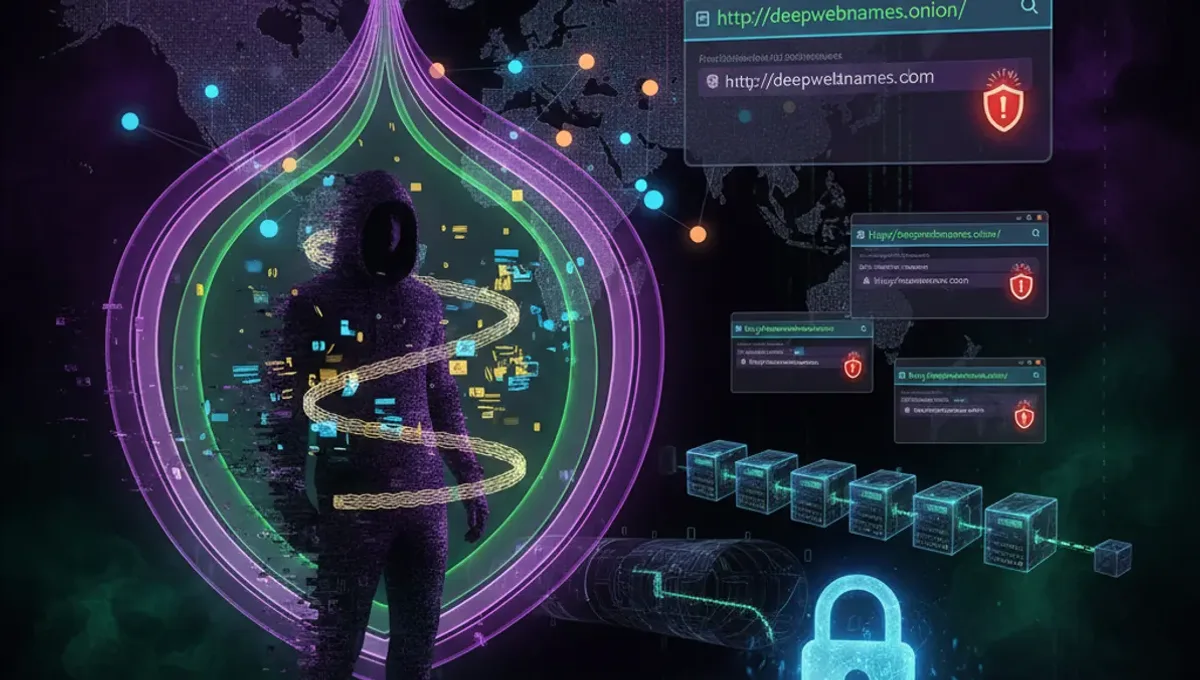
Dark web addresses use the .onion domain extension and appear as long strings of random characters, like a 56-character alphanumeric code. These addresses route through multiple Tor nodes, encrypting traffic and obscuring origin and destination. Unlike regular URLs, onion addresses don't resolve through standard DNS systems. Users access them through Tor Browser or similar applications that handle the routing protocol. Addresses can be bookmarked but aren't easily discoverable through search. Some sites maintain multiple mirror addresses for redundancy. Address generation is automated, making it difficult to verify legitimacy before visiting. Typosquatting occurs when scammers register similar-looking addresses to phish users. Verifying addresses through trusted sources prevents accidental visits to malicious sites.
Dark Web Search and Discovery
Finding dark web sites requires specialized search engines designed for .onion domains. These search engines crawl and index dark web content, though coverage remains incomplete compared to surface web search. Results often include outdated or defunct sites alongside active ones. Search engines themselves can be unreliable or compromised. Many users rely on directories and link lists rather than search functionality. Reddit communities and forums share working links, though these require verification. Word-of-mouth recommendations within communities remain common discovery methods. Dark web download sites and resource repositories maintain curated lists of active services. Search results frequently contain scams and honeypots designed to compromise users. Caution and verification are essential when following any discovered links.
Identifying Scams and Dangerous Sites
Scams proliferate on the dark web due to anonymity and lack of recourse. Common red flags include newly created sites with minimal history, requests for payment before service delivery, and promises of unrealistic returns. Phishing attempts mimic legitimate services to steal credentials or cryptocurrency. Malware distribution sites disguise malicious files as legitimate software or documents. Honeypots operated by law enforcement appear as normal marketplaces or forums to identify users. Checking vendor reputation, reading reviews from multiple sources, and verifying site authenticity through community channels reduces risk. Never download files without scanning them first. Avoid clicking links from untrusted sources. Use separate virtual machines for dark web browsing. Legitimate sites typically maintain consistent presence and community reputation over extended periods.
Legal and Safety Considerations
Accessing the dark web itself is legal in most jurisdictions, but many activities conducted there are illegal. Purchasing illegal goods, distributing malware, or engaging in fraud carries criminal penalties regardless of anonymity. Law enforcement agencies have successfully prosecuted dark web users through traffic analysis, blockchain analysis, and operational security failures. ISPs can detect Tor usage, and some countries block Tor access entirely. Using the dark web for legitimate purposes like privacy protection or accessing censored information remains legally protected in democratic countries. However, the legal landscape varies significantly by location. Users should understand local laws before accessing dark web services. Even passive browsing can expose users to illegal content and malware. Responsible dark web access requires technical knowledge and legal awareness.
Frequently asked questions
What are the most common examples of dark web sites?
Common examples include privacy-focused email services, cryptocurrency exchanges, discussion forums, news mirrors, and marketplaces. Legitimate sites serve journalists and activists, while others facilitate illegal commerce. Many sites are scams or honeypots. Actual content varies widely, and most sites lack the sensationalism portrayed in media coverage.
How do I find dark web addresses safely?
Use established dark web directories and search engines designed for .onion domains. Verify addresses through multiple trusted sources before visiting. Check community forums and reputation systems. Never click links from untrusted sources. Bookmark verified addresses rather than searching repeatedly. Use separate browsing profiles for dark web access to minimize risk.
Is accessing the dark web illegal?
Accessing the dark web itself is legal in most countries. However, many activities conducted there are illegal, including purchasing contraband or engaging in fraud. Law enforcement actively monitors dark web activity. Legal consequences depend on your jurisdiction and specific actions taken. Using Tor for privacy protection remains legally protected in democratic nations.
What should I avoid on the dark web?
Avoid downloading files from untrusted sources, as malware is common. Don't engage in illegal transactions or activities. Skip newly created sites with no reputation history. Ignore offers promising unrealistic returns. Never disable Tor Browser security features. Avoid clicking suspicious links or visiting sites without verification. Use virtual machines to isolate dark web browsing from your main system.
How can I identify dark web scams?
Red flags include requests for upfront payment, newly created sites, no vendor history or reviews, and promises of illegal services. Check multiple review sources and community reputation. Verify site authenticity through trusted channels. Legitimate sites maintain consistent presence over time. Use escrow systems when available. Trust your instincts if something feels suspicious.