What Are Dark Web Names and .Onion Addresses
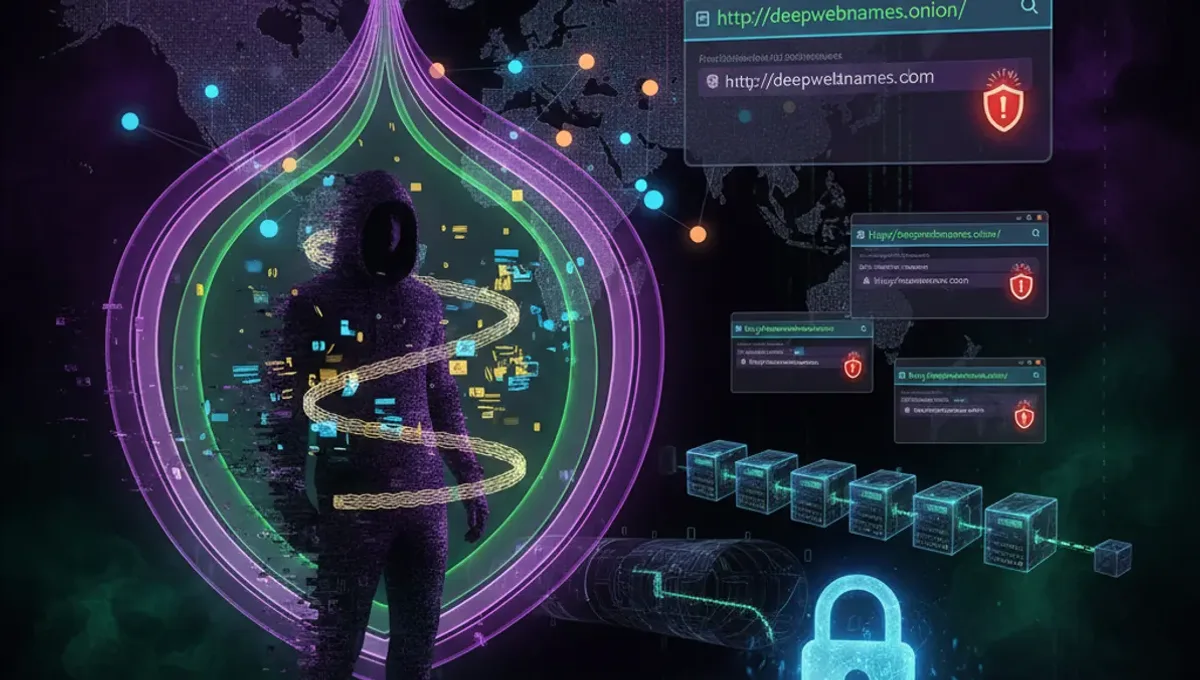
Dark web names are unique identifiers for sites accessible through the Tor network. Unlike conventional domain names managed by registrars, .onion addresses are generated algorithmically and tied directly to cryptographic keys. A typical dark web name consists of 16 or 56 characters followed by .onion. These addresses serve dual purposes: they route traffic through multiple Tor nodes while simultaneously verifying site authenticity through their cryptographic foundation. The naming system eliminates traditional DNS lookups, making dark web address resolution entirely decentralized. This architecture prevents domain seizures and censorship that plague standard web infrastructure.
How Dark Web Names Are Generated and Verified
Site operators generate dark web names by creating cryptographic key pairs. The public key transforms into the .onion address through hashing algorithms. This process ensures each dark web name is mathematically unique and impossible to forge without the corresponding private key. Verification happens automatically when users connect: their Tor client confirms the site's key matches its advertised name. This cryptographic binding prevents impersonation and man-in-the-middle attacks. Users can trust that connecting to a specific dark web address leads to the intended destination, not a fraudulent replica. The naming system's security depends entirely on this mathematical relationship between keys and addresses.
Dark Web Directory Listings and Name Organization
Dark web directories catalog .onion addresses by category, similar to traditional web directories. These listings help users locate specific dark web names without knowing exact addresses beforehand. Directory maintainers verify submissions and remove defunct links, though quality varies significantly across platforms. Some directories organize dark web names by function: communication, commerce, information sharing, or activism. Users should cross-reference multiple dark web directory sources before visiting unfamiliar addresses. Reputable directories include descriptions, user reviews, and last-verified dates. This metadata helps distinguish active dark web names from abandoned sites or scams. Many directories also flag suspicious entries and provide security warnings.
Dark Web Access and Name Discovery Methods
Accessing dark web names requires the Tor browser, which handles .onion address resolution automatically. Users obtain dark web names through several channels: established directories, search engines designed for .onion sites, community forums, or direct referrals. Search engines indexed specifically for dark web names crawl .onion sites and return relevant results. Some users maintain personal lists of trusted dark web address resources. Discovery methods vary in reliability; community recommendations often prove more trustworthy than random directory entries. New users should start with well-established dark web names rather than exploring obscure addresses. Verification through multiple sources reduces exposure to malicious sites masquerading under similar dark web names.
Identifying Legitimate Dark Web Names from Scams
Scammers create fake dark web names mimicking legitimate addresses through slight character variations. Users must verify addresses character-by-character before connecting. Legitimate dark web names typically appear consistently across multiple trusted sources. Scam sites often use recently created addresses with minimal history or reviews. Check community forums and dark web directories for user feedback on specific dark web names before visiting. Legitimate operators maintain their dark web address for extended periods and build reputation over time. Be suspicious of addresses offering unrealistic services or requesting upfront payments. Cross-referencing dark web names across independent sources significantly reduces scam exposure. Bookmark verified addresses rather than relying on memory or casual references.
Dark Web Names and Download Security Considerations
When downloading files from dark web names, verify the source's reputation through directory listings and community discussion. Malicious actors create deceptive dark web names hosting infected files or malware. Legitimate dark web names typically provide file hashes for verification. Users should scan all downloads with updated security software before opening. Some dark web names specialize in file sharing with built-in verification mechanisms. Never execute files directly from untrusted dark web addresses. Reputable dark web directories flag known malicious names and warn users about compromised sites. Maintaining updated security software and using isolated systems for dark web access reduces risks associated with downloading from unfamiliar dark web names.
Dark Web Name Conventions and Memorability
V2 .onion addresses contain 16 characters and were standard until 2017. V3 addresses expanded to 56 characters, improving security and reducing collision risks. The longer format makes dark web names harder to memorize, increasing reliance on bookmarks and directories. Some operators create vanity addresses through computational effort, resulting in memorable character patterns. However, most dark web names remain essentially random strings. Users typically access dark web addresses through saved links rather than typing from memory. This dependency on stored references makes dark web directory bookmarking essential. The naming system prioritizes security over user convenience, reflecting the adversarial environment where dark web names operate.
Frequently asked questions
What does a dark web name look like?
Dark web names are .onion addresses consisting of 16 or 56 alphanumeric characters. V2 addresses use 16 characters, while V3 addresses use 56. Examples appear as random strings like 3g2upl4pq6kufc4m.onion. These addresses are generated cryptographically and serve as both identifiers and security mechanisms for Tor network sites.
How do I find legitimate dark web names?
Use established dark web directories, community forums, and search engines designed for .onion sites. Cross-reference addresses across multiple trusted sources before visiting. Check user reviews and verification dates in directory listings. Reputable dark web names appear consistently across independent platforms and maintain long operational histories.
Can dark web names be faked or spoofed?
Scammers create similar-looking dark web names through slight character variations, but cannot forge cryptographically valid addresses. Verify addresses character-by-character before connecting. Legitimate dark web names are mathematically bound to their operators' private keys, preventing true spoofing. Always bookmark verified addresses rather than relying on memory.
Why are dark web names so long and random?
The length and randomness provide cryptographic security. V3 addresses use 56 characters to prevent collision attacks and improve resistance against brute-force attempts. This design prioritizes security over memorability. Users typically access dark web names through bookmarks or directories rather than typing them manually.
What's the difference between dark web names and regular domain names?
Dark web names are generated cryptographically and decentralized, while regular domains use centralized registrars. .onion addresses cannot be seized or censored through traditional DNS mechanisms. Dark web names are tied directly to cryptographic keys, making them mathematically unique and impossible to forge without the corresponding private key.