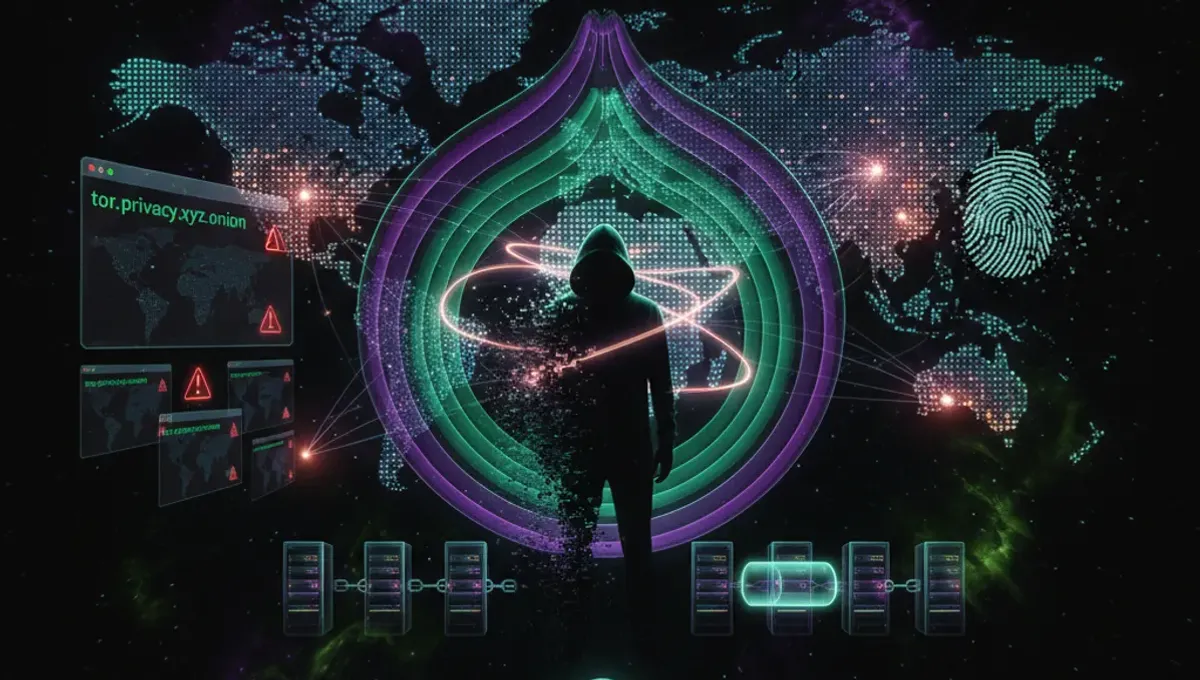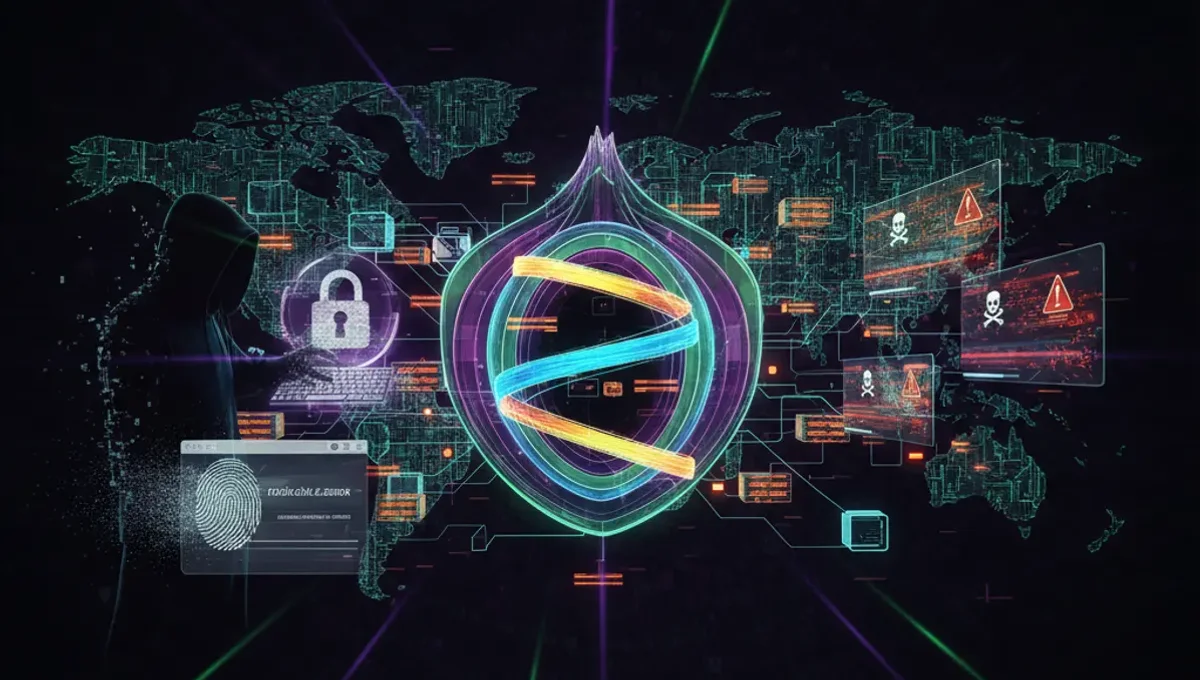
What Makes Dark Web Activities Illegal
Illegal activity on the dark web mirrors offline crimes: drug trafficking, weapons sales, stolen data markets, and exploitation material. The anonymity provided by Tor doesn't change the underlying legality. A dark web address hosting a marketplace for controlled substances remains illegal regardless of encryption. Law enforcement agencies worldwide have successfully prosecuted dark web users by combining blockchain analysis, metadata collection, and traditional investigation techniques. The misconception that the dark web is lawless persists, but jurisdictions actively prosecute offenders. Simply accessing the dark web through Tor isn't illegal in most countries, but downloading or distributing prohibited content is.
Marketplaces and Commerce Violations
Dark web marketplaces facilitate illegal transactions in drugs, weapons, forged documents, and hacking services. These platforms operate as directories connecting buyers and sellers, often requiring cryptocurrency payments to obscure financial trails. Law enforcement has dismantled major marketplaces by identifying server locations, payment patterns, and operator communications. Participating in these transactions—whether as buyer or seller—violates federal laws in most jurisdictions. The dark web download of illegal goods creates a permanent digital record. Even closed marketplaces leave traces through blockchain analysis and seized server data. Users often underestimate how thoroughly agencies can reconstruct transaction histories and identify participants through operational security failures.
Content-Based Illegal Activity
Certain content categories are universally prohibited across dark web platforms: child exploitation material, extreme violence documentation, and terrorism-related content. These aren't gray areas—possession, distribution, or production carries severe criminal penalties. Dark web directories sometimes list sites hosting such material, but accessing these represents serious federal crimes. Law enforcement agencies maintain specialized units dedicated to identifying and prosecuting content-related offenses. The dark web address structure doesn't provide immunity; agencies have successfully traced users through their browsing patterns and downloads. Even viewing prohibited content can result in prosecution, making casual dark web access to unknown links extremely risky.
Hacking Services and Cybercrime
Dark web marketplaces offer hacking services, stolen credentials, malware, and data breach access. Purchasing these services violates computer fraud and abuse laws. A dark web address advertising credential theft or ransomware deployment represents active criminal enterprise. Law enforcement has successfully prosecuted buyers and sellers of hacking tools. The dark web download of malware or exploit kits creates evidence of intent to commit computer crimes. Cryptocurrency transactions, while pseudonymous, leave blockchain records that forensic analysts can follow. Participating in cybercrime markets exposes users to both law enforcement prosecution and scams from other criminals.
How Authorities Track Dark Web Activity
Law enforcement combines multiple techniques: monitoring dark web addresses through undercover operations, analyzing blockchain transactions, compromising Tor exit nodes, and leveraging traditional investigation methods. Agencies operate honeypot sites and marketplaces to identify users. Internet service providers retain metadata about Tor connection attempts. A dark web access pattern combined with other evidence can establish probable cause. Cryptocurrency analysis firms trace Bitcoin and Monero transactions to exchanges where users provide identification. The dark web directory structure itself becomes evidence when combined with server logs and user behavior patterns. Successful prosecutions demonstrate that anonymity on the dark web is imperfect and often temporary.
Legal Consequences and Sentencing
Dark web illegal activity carries severe penalties: drug trafficking convictions result in decades of imprisonment, weapons violations carry federal felonies, and exploitation material offenses often mean 15-20 year sentences. Prosecutors use dark web participation as evidence of intent and sophistication. A single dark web download of prohibited material can trigger federal investigation. Sentencing guidelines consider the scale of operation, amount of illegal goods, and user sophistication. International cooperation means users face prosecution in multiple jurisdictions. Financial penalties often exceed prison time, with asset forfeiture targeting cryptocurrency wallets and seized funds. The dark web address you access today may become evidence in tomorrow's trial.
Legitimate Dark Web Access vs. Illegal Use
Accessing the dark web itself isn't illegal; journalists, activists, and privacy advocates use it legitimately. The distinction lies in activity: researching dark web addresses for security purposes differs from purchasing illegal goods. Merely downloading Tor or visiting onion links doesn't constitute a crime. However, the dark web directory structure makes it easy to stumble into illegal content. Legitimate users employ strict operational security, avoid unknown links, and never download suspicious files. Law enforcement recognizes the difference between casual dark web access and active participation in illegal markets. Your intent and actions determine legality, not the technology itself.
Frequently asked questions
Is accessing the dark web itself illegal?
No. Using Tor and accessing dark web addresses is legal in most countries. Illegality depends on your actions: downloading prohibited content, purchasing illegal goods, or distributing exploitative material violates laws. Simply researching the dark web or using it for privacy doesn't constitute a crime.
Can law enforcement really track dark web users?
Yes. Agencies combine blockchain analysis, metadata collection, undercover operations, and traditional investigation techniques. They've successfully prosecuted thousands of dark web users. A dark web download or marketplace transaction leaves traces through cryptocurrency records and server logs that forensic analysts can follow.
What's the difference between the dark web and deep web?
The deep web includes all non-indexed internet content: medical records, academic databases, email accounts. The dark web is a small portion requiring specific software like Tor. Most deep web content is legal; dark web illegal activity is more concentrated but represents a minority of overall usage.
What happens if I accidentally access illegal content?
Accidental viewing typically doesn't result in prosecution, but intentional downloads do. Immediately close the page and avoid revisiting. If you're concerned, consult a lawyer. Law enforcement distinguishes between casual exposure and deliberate participation in illegal markets or content distribution.
Why do journalists use the dark web if it's associated with illegal activity?
Journalists use dark web addresses to protect sources, receive anonymous tips, and operate in countries with censorship. The dark web directory includes legitimate communication tools. Privacy technology itself is neutral; journalists use it legally while others misuse it for crime.